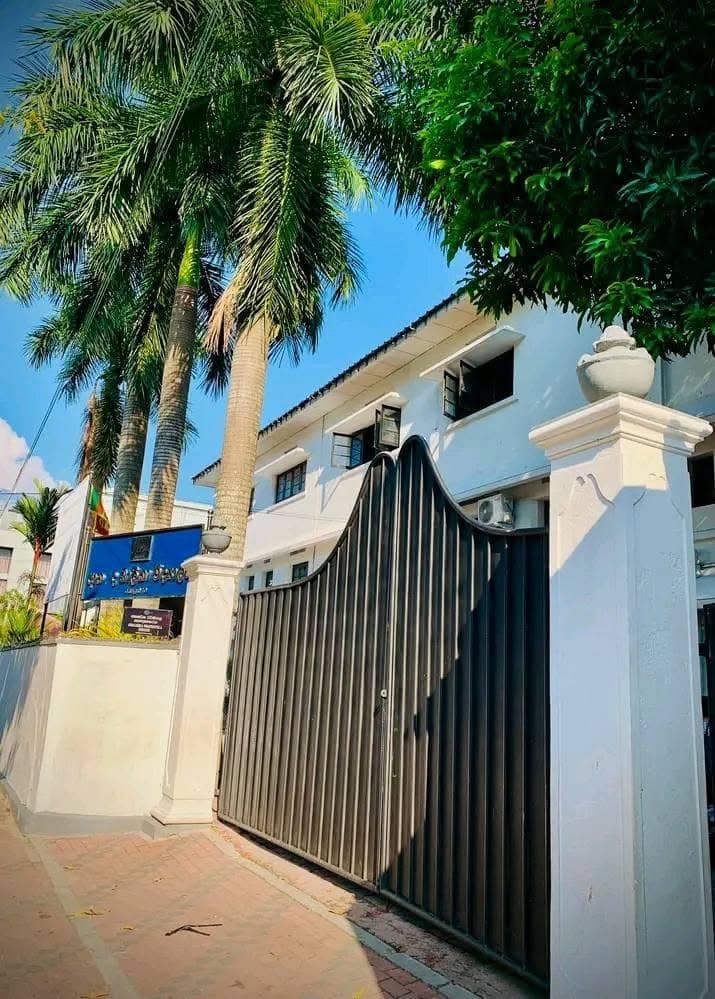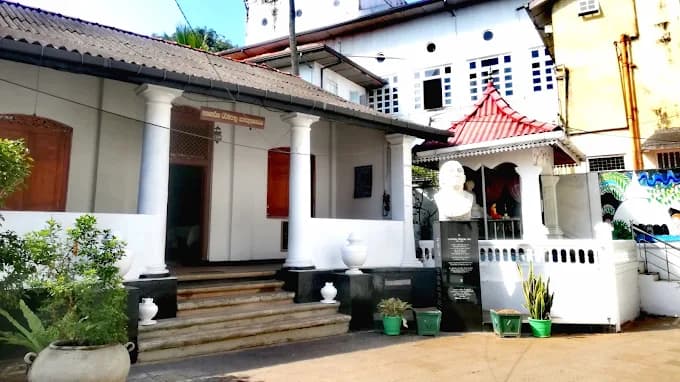
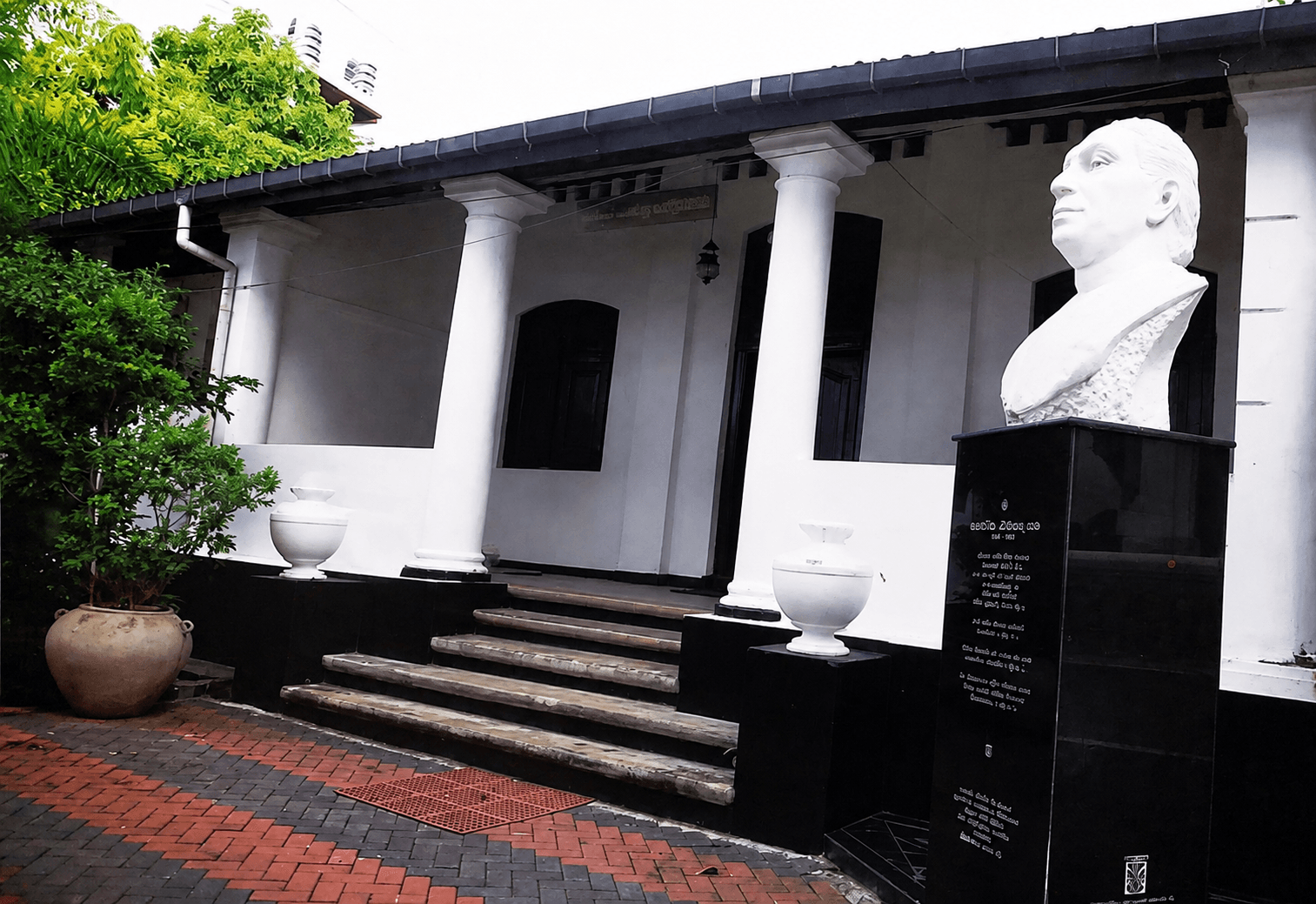
Anagarika Dharmapala Museum at Victor House
NATIONAL HERITAGE INSTITUTION · VICTOR HOUSE

THE ANAGARIKA DHARMAPALA MUSEUM

Preserving History. Inspiring Generations.

WHY THIS MUSEUM EXISTS

A Heritage Preserved Through Dedication

The Anagarika Dharmapala Museum was created with a commitment to protect an important part of Sri Lanka's Buddhist, cultural and educational heritage for future generations.

The museum provides students, researchers and visitors with an opportunity to learn about the life and service of Anagarika Dharmapala through historical evidence, personal accounts, photographs, documents and objects connected with his life and work.

Its purpose extends beyond preserving physical objects. It seeks to preserve memory, knowledge, values and inspiration.

Preserving Memory
Protecting Heritage
Inspiring Future
Historical Legacy of Anagarika Dharmapala

Preserving History & Heritage

Anagarika Dharmapala Museum · Colombo 10

FROM AN IDEA TO A MUSEUM

The Beginning of the Museum

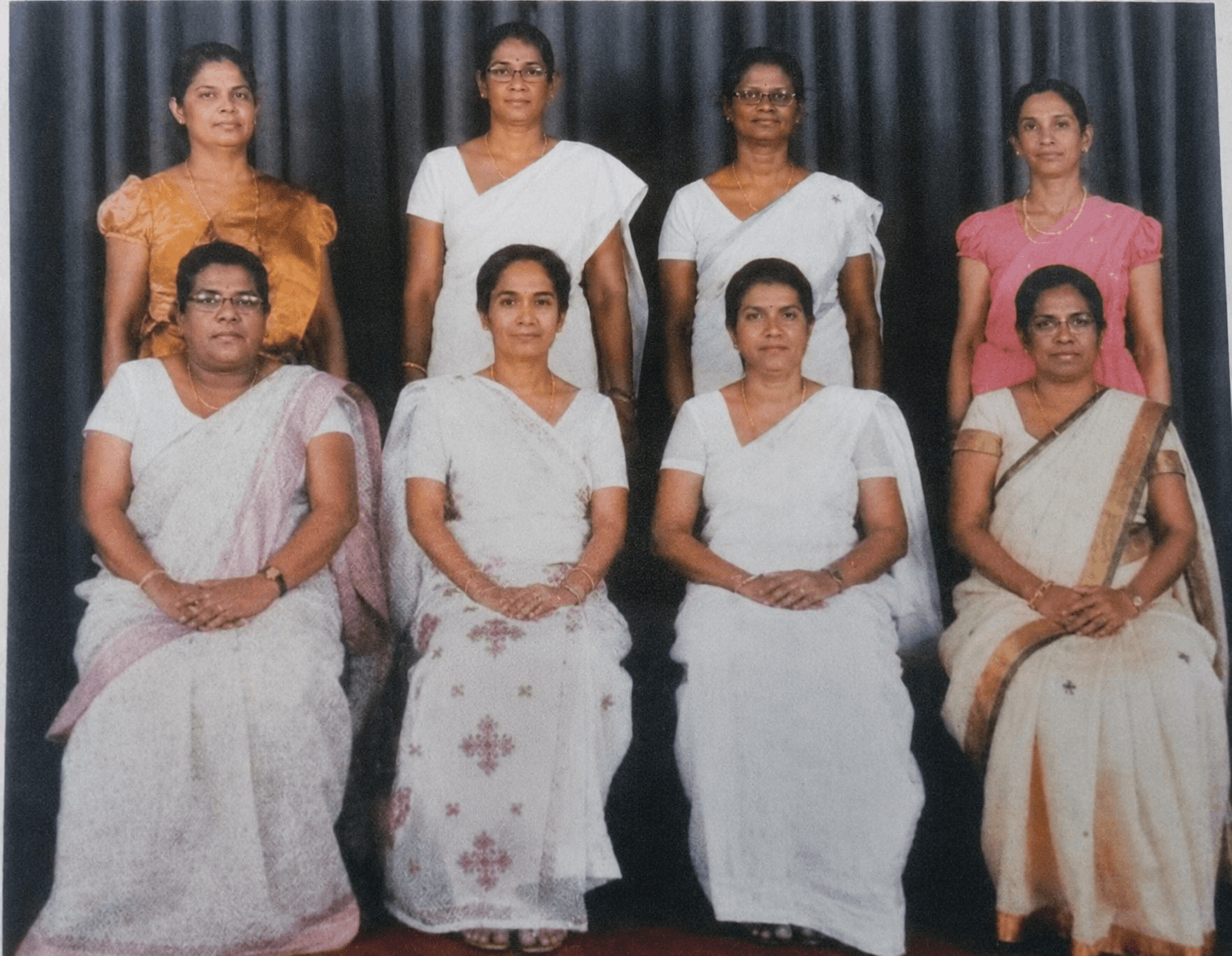
The initiative to establish the museum was undertaken during the tenure of Mrs. Malini Herath, then Principal of Ananda Balika Vidyalaya.

Recognizing the historical importance of Victor House and the need to preserve the heritage associated with Anagarika Dharmapala, a committee consisting of interested members of the school staff was appointed to undertake the project.

Organized Stages of Project Development

The work was planned as a series of carefully organized stages, beginning with the restoration of Victor House and eventually leading to the collection, preservation and presentation of historical material.

Museum establishment committee

The Founding Vision

Ananda Balika Vidyalaya Staff

Museum Establishment Committee

Ananda Balika Vidyalaya Staff

Mrs. Malini HerathPrincipal
Mrs. Madhavi DissanayakeAssistant Principal
3
Mrs. Pradeepa de SilvaCommittee Member
4
Mrs. Kamani BothejuCommittee Member
5
Mrs. Chandrakanthi DissanayakeCommittee Member
6
Mrs. Deepthi PiyasekaraCommittee Member
7
Mrs. M. B. IleperumaCommittee Member
8
Mrs. Anula GamageCommittee Member
FIVE STAGES OF CREATION

Five Stages of Creation

A Journey of Restoration, Preservation, and Museum Creation

Stage One01

Restoring Victor House

Identifying areas requiring restoration and returning the historic residence to a condition suitable for preservation.

Stage Two02

Recovering the Historic Appearance

Studying old photographs and historical records to identify later additions and alterations and removing inappropriate structures.

Stage Three03

Documenting Dharmapala's Life

Researching and organizing information about his life, work, religious service, social service, education and writings.

Stage Four04

Finding Personal Objects

Searching for objects, documents, photographs and other materials connected with Dharmapala and his life.

Stage Five05

Creating the Museum

Organizing the collected photographs, documents, objects and historical information and placing them within Victor House as a carefully arranged museum collection.

RESTORING VICTOR HOUSE

Rebuilding the Historic Setting

The first challenge was identifying the areas of Victor House that required restoration.

Securing financial resources for the work proved difficult. Discussions were held with the heads of several institutions associated with Anagarika Dharmapala, but these efforts did not initially produce the necessary support.

The School Community Stepped Forward

The school therefore turned to its own community. With very little preparation time, the teaching staff, students and parents came together to organize a school fair to raise funds for the restoration.

The dedication of teachers, students, parents, past teachers and old students made the fundraising effort successful, allowing restoration work to begin.

Community Fundraising Milestone

Organized School FairOrganized in very little time by teachers, students, and parents to overcome initial financial hurdles.
Collective CommitmentThe generosity of past teachers, old students, and well-wishers turned a vision into achievable restoration work.

A project built on school community dedication

SEARCHING FOR DHARMAPALA'S STORY

Research Beyond the Walls

Once the physical restoration was underway, the next major task was discovering and documenting the history connected with Anagarika Dharmapala.

The committee sought information from religious institutions, educational institutions, government departments, archives, family-associated organizations and individuals who possessed memories or records relating to him.

Collaborative Archival Network

Research was conducted across Sri Lanka and India, collaborating with institutions that preserve historical documentation from the Buddhist revival era.

Assistance & Archival Contributions Received From:

Vidyodaya Pirivena
Maha Bodhi Maha Vihara
Maha Bodhi Trust
Kotahena Deepaduttaramaya
Department of National Archives
Department of Archaeology
Maha Bodhi Vidyalaya
Rajagiriya Hewavitharana Vidyalaya
Pannipitiya Dharmapala Vidyalaya
Don Carolis & Company
Isipathana Anagarika Dharmapala Museum, Sarnath
Buddhist sites in India including Bodh Gaya
ORAL HISTORY

Remembering Dharmapala Through Living Memory

Connecting Written Archives with Eyewitness Memories

The museum's research extended beyond written records. Through public appeals made through print and electronic media, people from different parts of the country came forward with information, memories and historical material.

Two particularly valuable eyewitness accounts were obtained from people who had seen Anagarika Dharmapala during his lifetime.

P. G. Dhanatunga

Former Student, Ananda College · Approx. 90 Years Old

Mr. P. G. Dhanatunga visited the museum and provided valuable information about Dharmapala's daily life at Victor House.

Eyewitness Observation

He identified the exact location where Dharmapala's bed had been placed, explaining that the stupa of Vidyodaya Pirivena could be clearly seen through the window from that position.

He recalled a childhood encounter where Dharmapala advised him regarding his name. A photocopy of the birth certificate bearing the changed name is preserved in the museum.
Preserved Oral History Record · Museum Documentary Collection

E. P. C. Seeli

Area Resident During Childhood

Mrs. E. P. C. Seeli, who had lived in the surrounding area as a child, shared vivid personal memories of seeing Anagarika Dharmapala.

Memory of the Mission

She recalled seeing Dharmapala walking with his secretary while collecting funds for Bodh Gaya — carrying a vessel in one hand and a walking stick in the other.

She also remembered the enormous public gathering around Vidyodaya Pirivena when Dharmapala's ashes were brought back to Sri Lanka.

Preserved Oral History Record · Bodh Gaya Campaign Memory

These oral histories are valuable because they connect the museum's written records with memories passed directly from people who experienced the period.

RESEARCHING THE ARCHIVES

Searching the Records of an Era

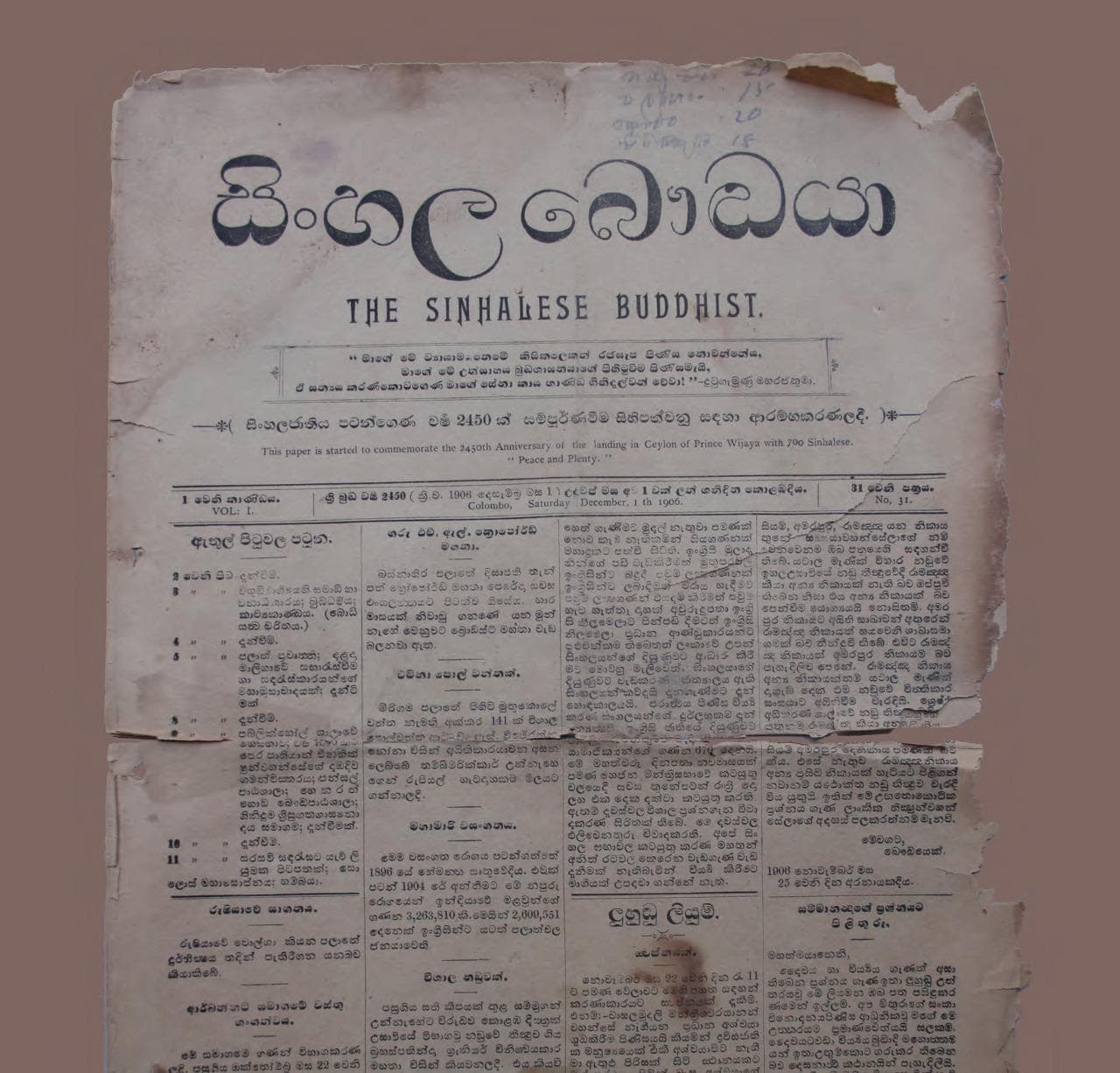
The committee studied books, newspapers, photographs and documents relating to Anagarika Dharmapala and his period.

The Department of National Archives provided access to newspapers published during his lifetime, allowing the committee to discover historical photographs, reports and information that could be incorporated into the museum.

Research was also carried out through institutions connected with Dharmapala and organizations associated with his educational and social work.

International Study Visit to Sarnath

Members of the committee also had the opportunity to visit the Anagarika Dharmapala Museum at Isipathana, Sarnath, India, and learn from its experience and collections.

Archival newspapers and photographs search

The Sinhalese Buddhist Newspaper

FROM RESEARCH TO EXHIBITION

Turning Research into a Museum

The information gathered from archives, institutions, books, newspapers, individuals and historical collections was carefully organized and transformed into museum displays.

I

His Life

Family background, early life and important stages of his journey.

II

His Mission

His Buddhist, social and educational service across Sri Lanka and internationally.

III

His Writings

Books, publications, handwritten letters and documentary material.

IV

His Final Years

His ordination, higher ordination, final period and passing at Sarnath.

V

His Ashes

The return of his ashes to Sri Lanka and the historical significance of the journey.

EXPLORE THE MUSEUM

Museum Layout & Floor Plan

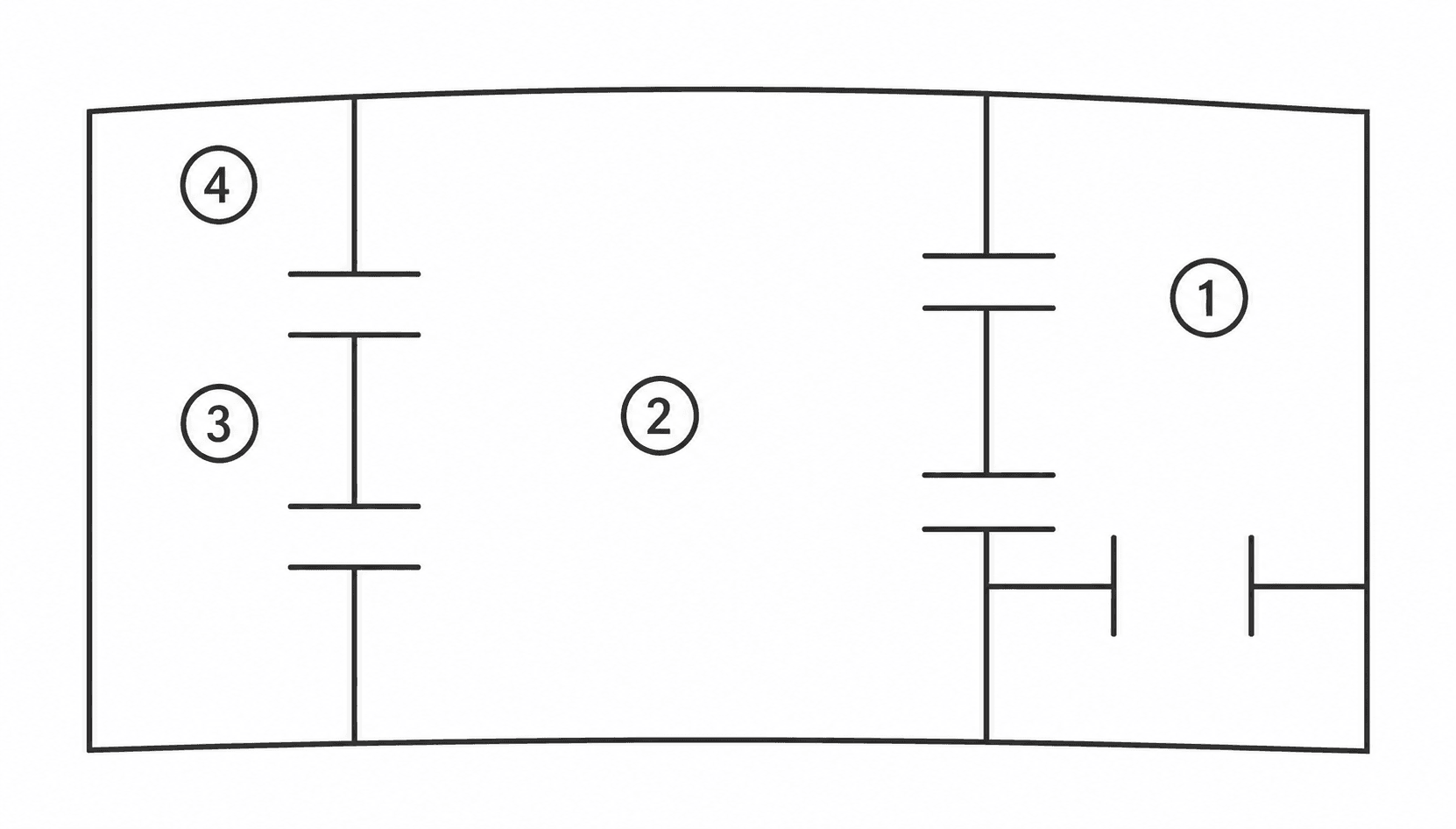
The museum presents Anagarika Dharmapala's life, mission, final years, and the history of Ananda Balika Vidyalaya through carefully preserved objects, documents, photographs, writings, recordings and other historical material within Victor House. Use the floor plan as an authentic visual guide to understand how this historical narrative is presented throughout the building.

Authentic floor plan of Victor House and the museum exhibition spaces
The original floor plan is shown without alteration. Its numbered references correspond to the four thematic areas described below.
01
02
03
04
01

Dharmapala's Life

Family background, pioneering influences, the place where Anagarika Dharmapala lived within Victor House, and the historical setting that shaped his personal life.

  • Family background and family-related information
  • Influential and pioneering figures
  • The place where Dharmapala lived in Victor House
  • Historical information about his personal environment
02

His Mission

The breadth of his Buddhist, social, educational and literary service is presented through preserved objects, writings, documents and audio heritage.

  • Buddhist and religious mission
  • Social mission and service to society
  • Educational mission and contribution to education
  • Literary work and writing activities
  • Books and works written by Anagarika Dharmapala
  • Original handwritten letters and documentary material
  • Preserved voice and audio recording
03

His Final Years

The final period of his life is represented with respect through the story of his monastic life, higher ordination, passing at Sarnath and the return of his cremated ashes to Sri Lanka.

  • Entry into monastic life
  • Higher ordination
  • Passing at Sarnath
  • Return of his cremated ashes to Sri Lanka
  • The casket that brought his ashes to Sri Lanka
04

School Heritage

This part preserves the educational heritage and institutional history of Ananda Balika Vidyalaya alongside the story of Victor House and Anagarika Dharmapala.

  • The first classroom of the school
  • The first school bell
  • "Our Pioneers" — 85 years of school history
WHAT THE MUSEUM CONTAINS

A Collection of Memory

Visual Memory

Photographs

Historical photographs documenting Dharmapala's life, work, travels, and period.

Museum Collection
Archival Papers

Documents

Letters, records, handwritten correspondence and archival material connected with his life.

Museum Collection
Physical Artifacts

Personal Objects

Objects associated with Dharmapala and the historical period in which he lived.

Museum Collection
Literary Heritage

Books & Publications

Works written by Dharmapala and publications documenting his global mission.

Museum Collection
Rare Audio

Audio Heritage

A preserved rare recording containing Dharmapala's actual voice.

Museum Collection
Research Corpus

Historical Evidence

Material gathered from archives, institutions and living oral history accounts.

Museum Collection
Historic Site

Victor House

The historic residence itself as an essential part of the museum's heritage.

Museum Collection
A REMARKABLE CONTRIBUTION

Treasures of the Museum

Rare Donations and Historical Relics Preserved for Generations

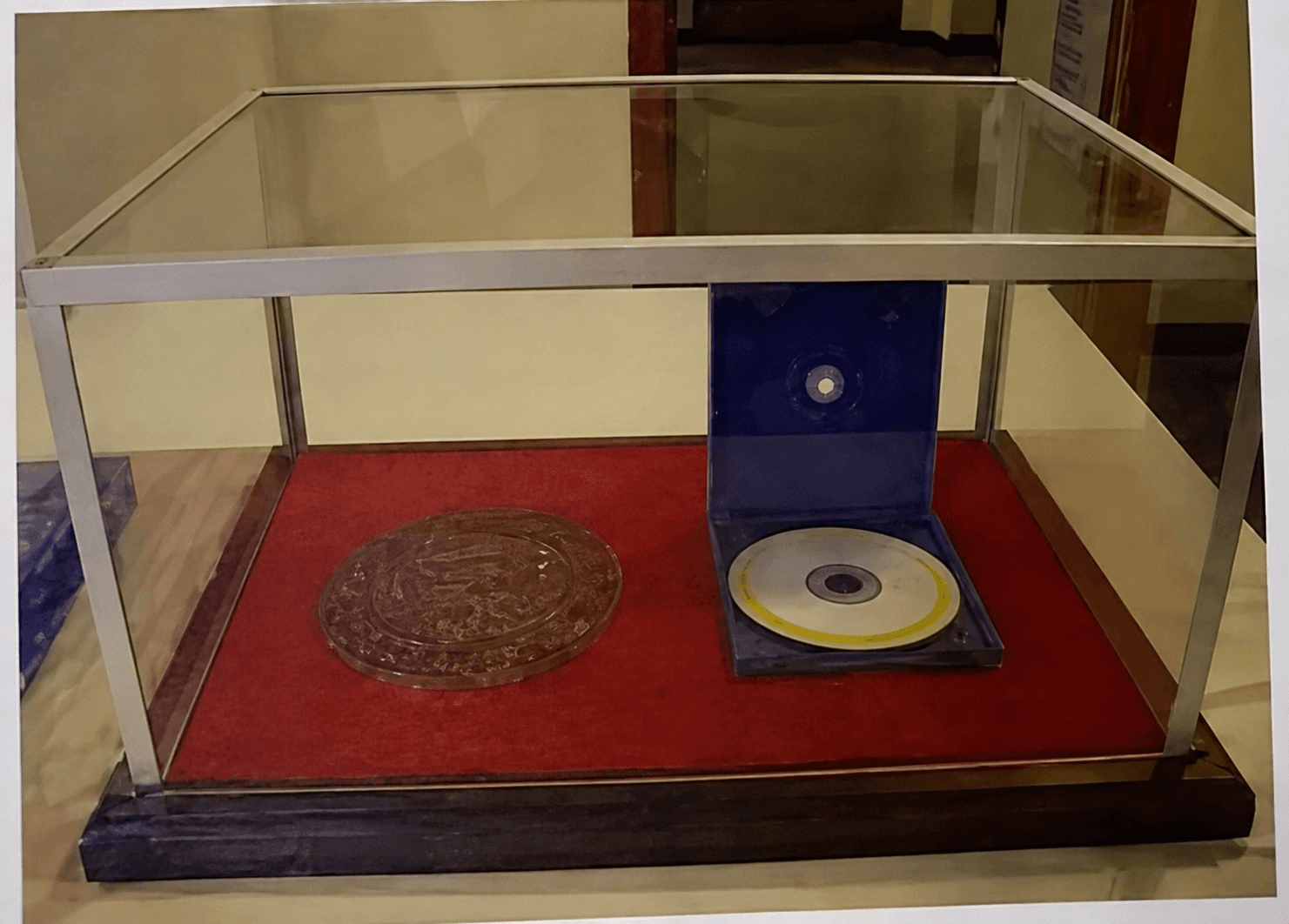
Historic recording and artifacts displayed in a museum case

Recording & Manuscripts

Voice Recording & Manuscripts

Donated by Mr. G. Jayasinghe

The museum received several important donations as a result of its research and public appeals. Among these was a rare audio recording containing Anagarika Dharmapala's voice, handwritten material, and a historic photograph.

Entrusted to National ArchivesThe handwritten documents were entrusted to the Department of National Archives for professional preservation, ensuring they survive for future generations.
Donor: Relative of Family Associated with Dharmapala
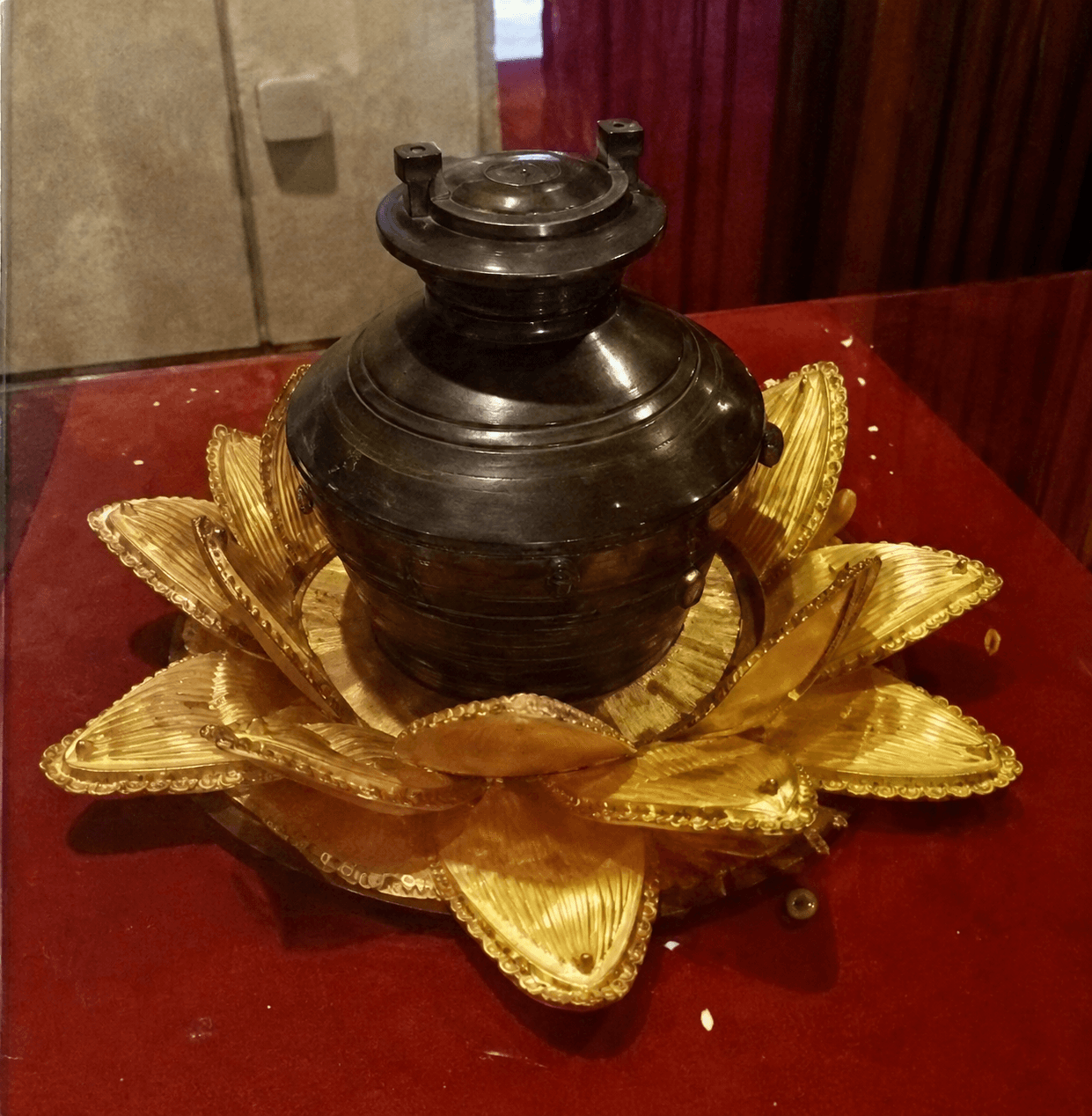
Casket of Anagarika Dharmapala's ashes displayed on a lotus stand

Sacred Historical Relic

The Casket of His Ashes

Donated by Ven. Banagala Upatissa Nayaka Thero

The museum also received a historically significant casket associated with the return of Anagarika Dharmapala's ashes to Sri Lanka.

Sacred Historical Relic

Donated by Ven. Banagala Upatissa Nayaka Thero, Chief Incumbent of the Maha Bodhi Vihara, as a central treasure of the museum's exhibition.

Chief Incumbent, Maha Bodhi Vihara Donation
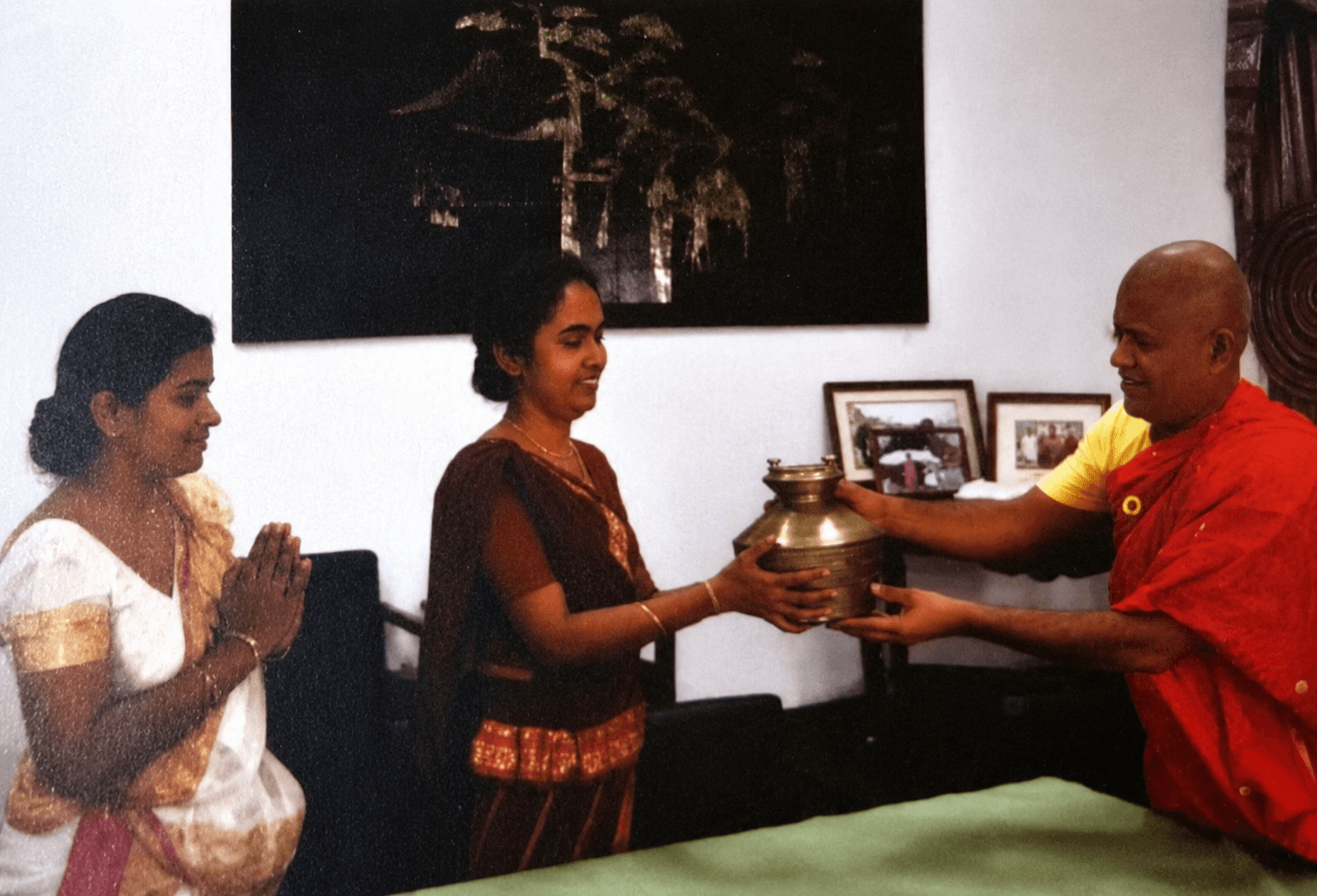
Venerable Banagala Upatissa Thero presenting the casket of Anagarika Dharmapala's ashes
Historical Photograph:

The Presentation of His Sacred Ashes

A significant moment in the history of the Anagarika Dharmapala Museum was the presentation of the casket containing the cremated ashes of Anagarika Dharmapala by Venerable Banagala Upatissa Thero to the school.

The sacred casket was formally presented to Mrs. Malani Herath, Principal of Ananda Balika Vidyalaya, in the presence of Mrs. Madhwi Dissanayake, Assistant Principal. This generous donation became an important part of the school's efforts to preserve and honour the enduring legacy of Anagarika Dharmapala.

MUSEUM INAUGURATION

The Museum Was Officially Opened

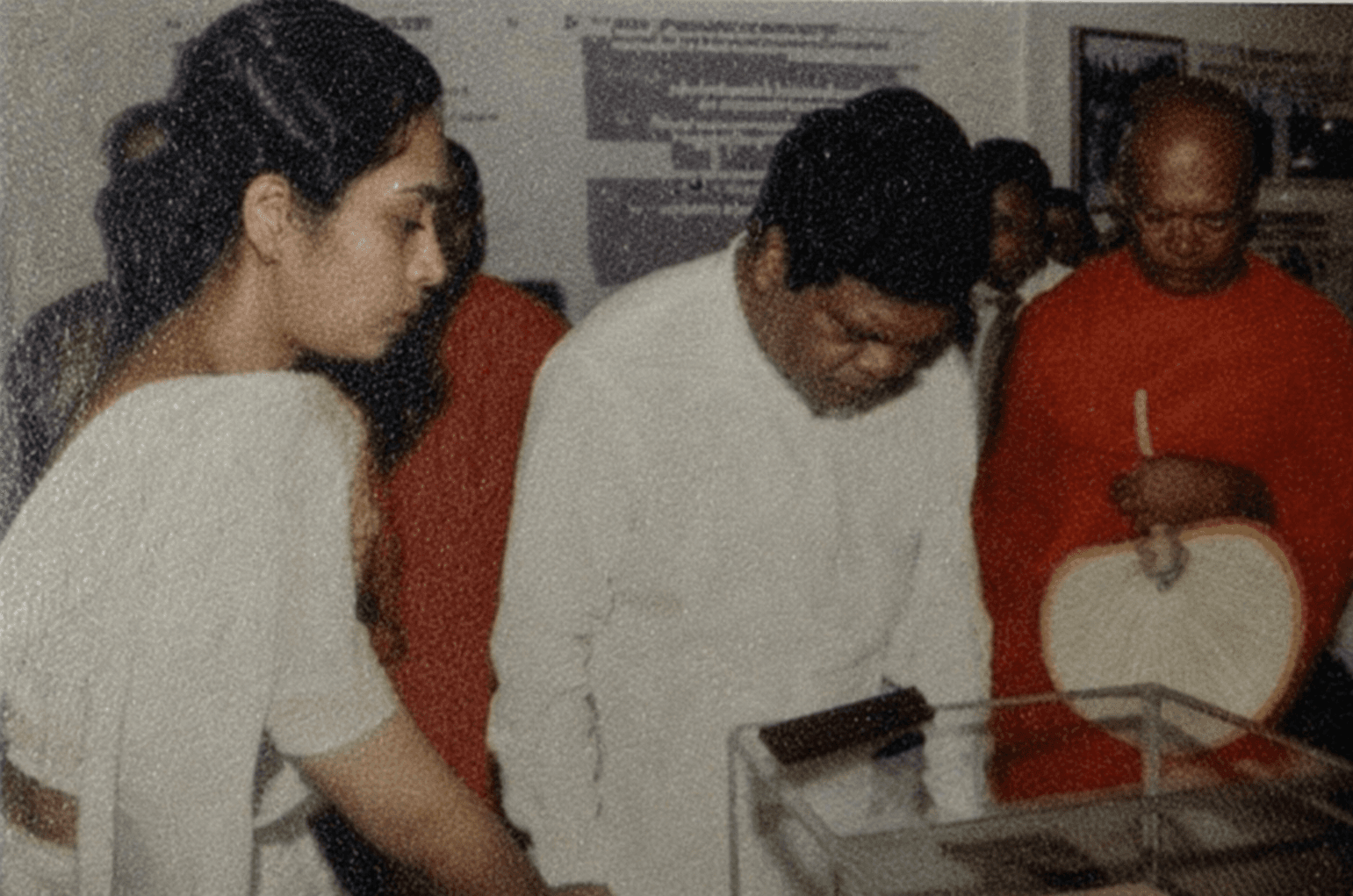
The Anagarika Dharmapala Museum was officially opened by Mr. Bandula Gunawardena, Minister of Education.

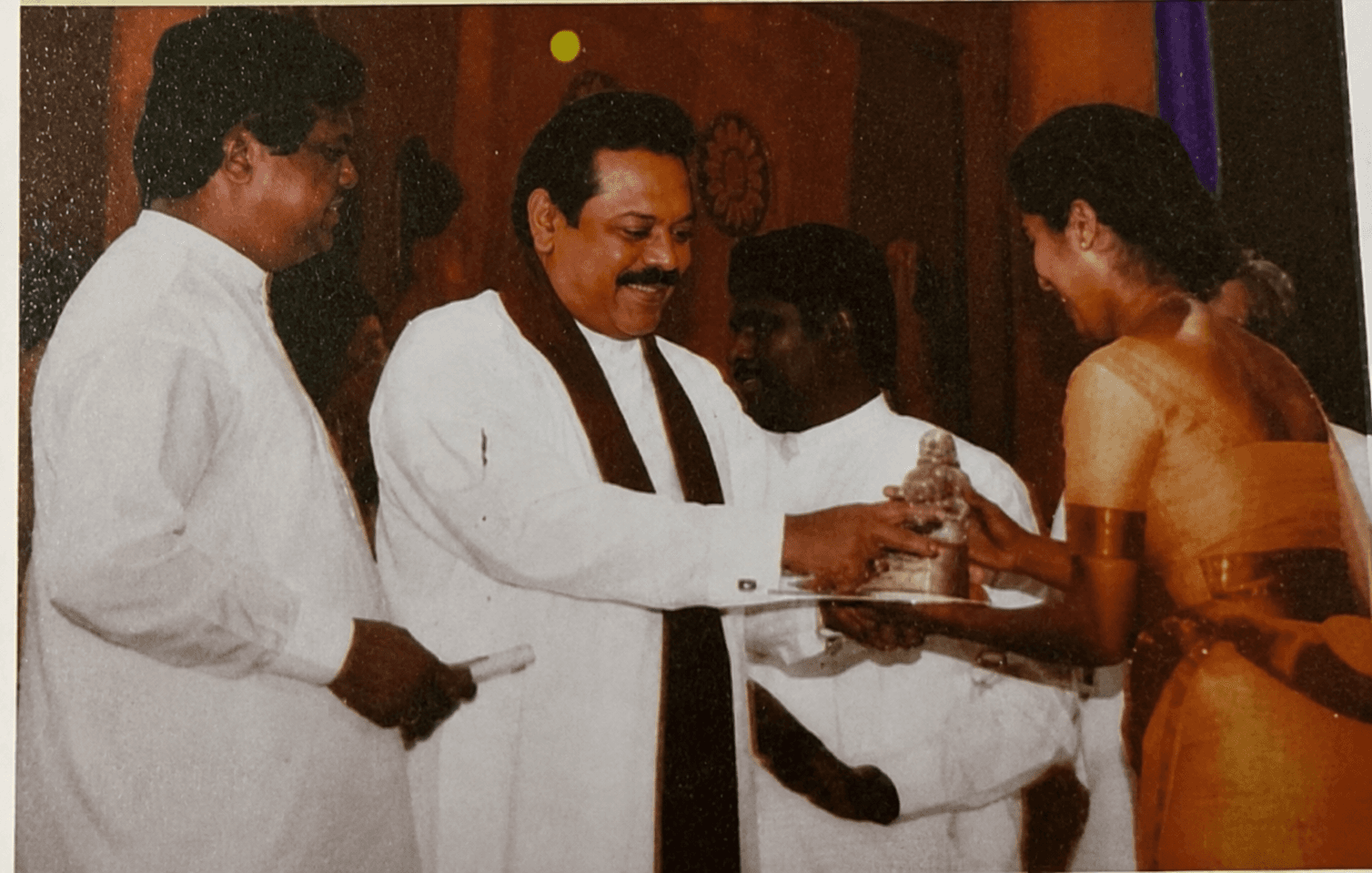
In recognition of the initiative and effort involved in establishing the museum, Mr. Mahinda Rajapaksa, former President of Sri Lanka, presented a special honour in connection with the creation of the museum.

Official Opening of the Anagarika Dharmapala Museum

Official Opening of the Anagarika Dharmapala Museum

Opened by Mr. Bandula Gunawardena, Minister of Education

Special Honour Presented by Former President Mahinda Rajapaksa

Special Honour Presented by Former President Mahinda Rajapaksa

PURPOSE OF THE MUSEUM

Why We Preserve

Preserve the Anagarika Dharmapala Museum for future generations.

Protect its objects, photographs and documents.

Give students an opportunity to study the life and character of one of Sri Lanka's significant historical figures.

Remember Dharmapala's social service and continue its spirit through annual community service activities.

Preserve the memory of his service to the country and Buddhist heritage.

Core Museum Philosophy

A place of remembrance, historical education, heritage research, and connection between past and future generations.

Anagarika Dharmapala Museum · Ananda Balika Vidyalaya
A LIVING MUSEUM

Heritage That Continues

Our museum is not just a static building—it is an active center of living heritage.

The museum continues to play an active role in the educational and cultural life of Ananda Balika Vidyalaya.

The Museum Committee, with the leadership of the school's Buddhist Society, organizes annual activities that connect students with Dharmapala's legacy.

Active Student Community
Buddhist Society Leadership
Ananda Balika Vidyalaya Living Heritage

Living Educational Heritage

Ananda Balika Vidyalaya · Buddhist Society

Image Slot: School student activities and living museum events
ANNUAL PROGRAMS

Annual Programs & Calendar

Connecting students and the community with Dharmapala's legacy throughout the year.

Regular cleaning, preservation and maintenance of the museum collection and Victor House premises are carried out throughout the year. These activities help protect historical photographs, documents, personal belongings and other important objects associated with Anagarika Dharmapala. Careful attention is given to maintaining the museum environment so that the heritage preserved within it can be safely presented to students, visitors and future generations.

New students entering Grade 6 and Advanced Level classes are introduced to the Anagarika Dharmapala Museum as part of their heritage and school orientation. Students are given an opportunity to learn about Dharmapala's life, his contribution to Buddhism and his connection with the school. They are also encouraged to visit the museum, observe the preserved heritage and pay floral tribute as a mark of respect and remembrance.

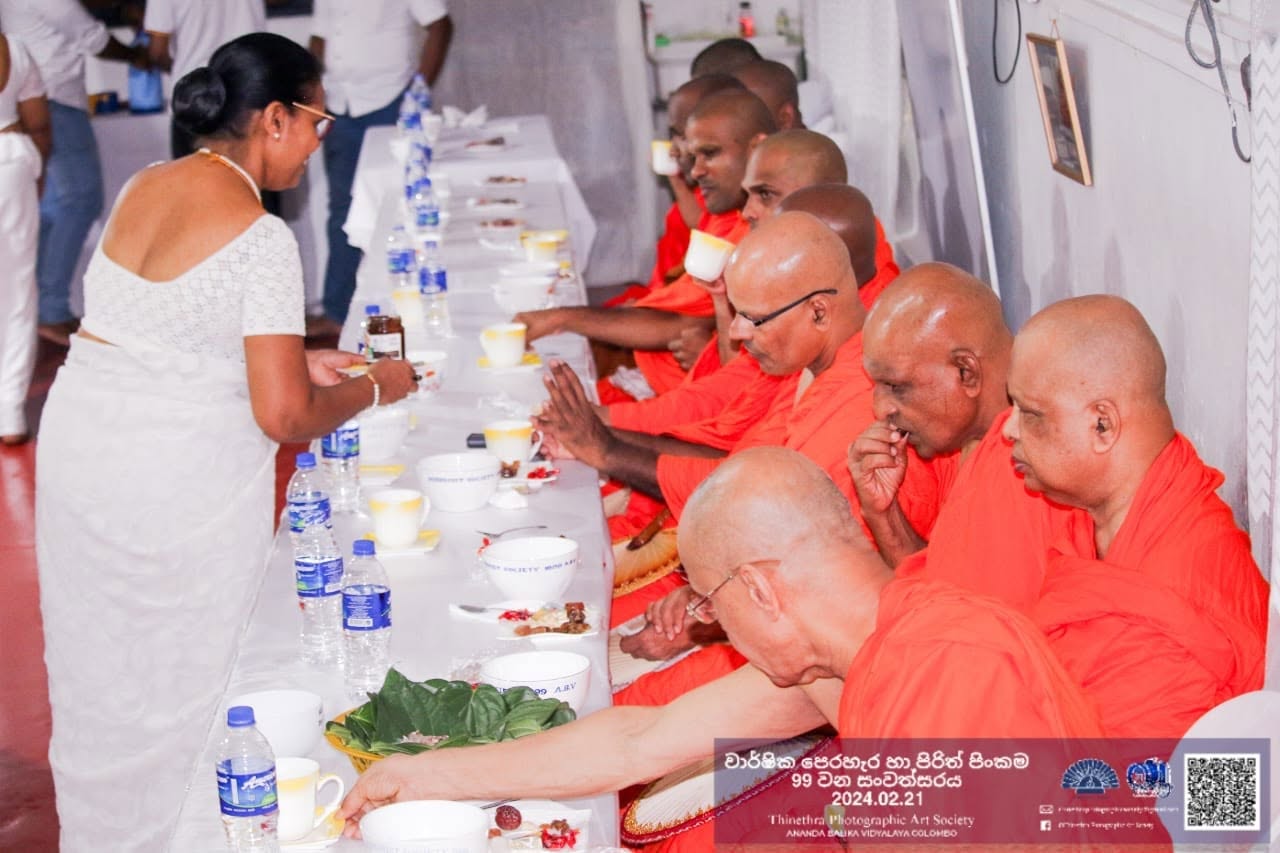
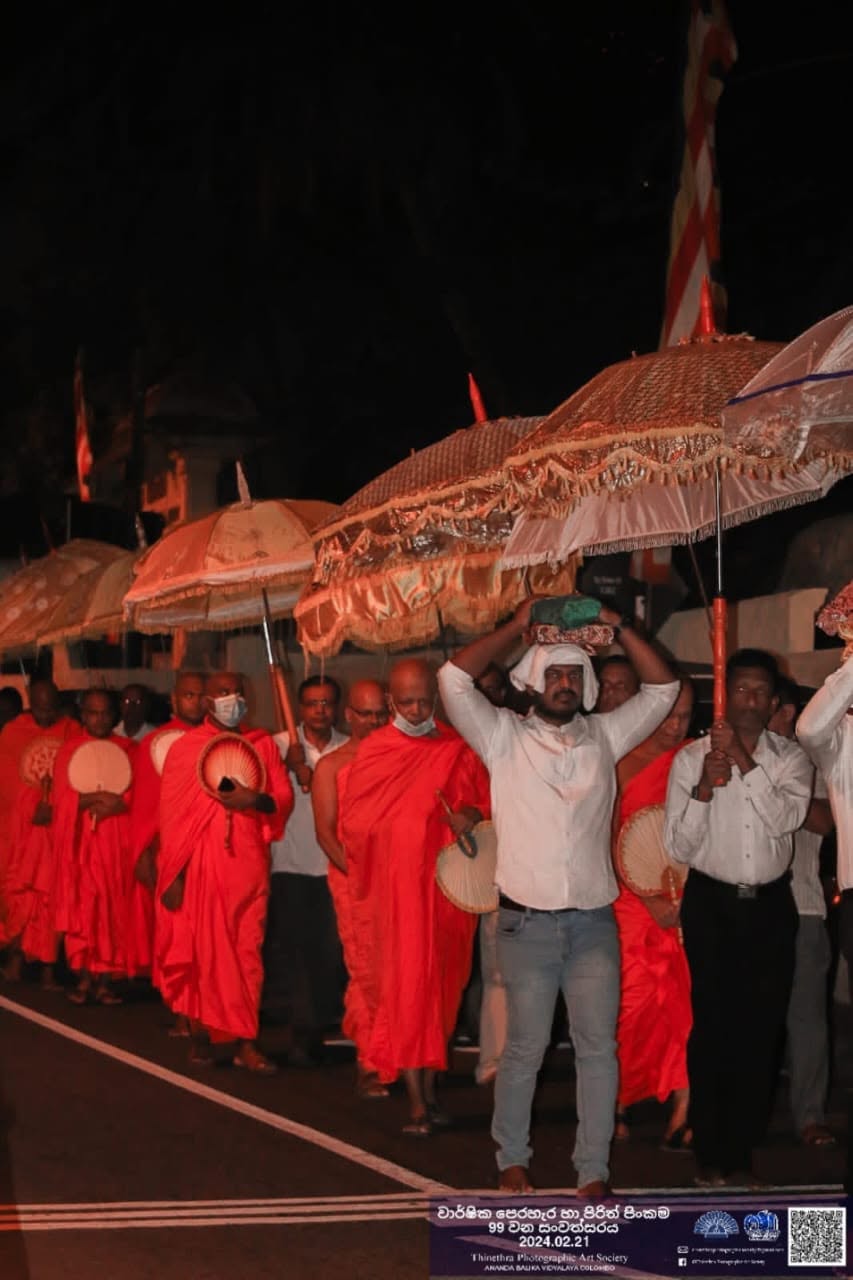
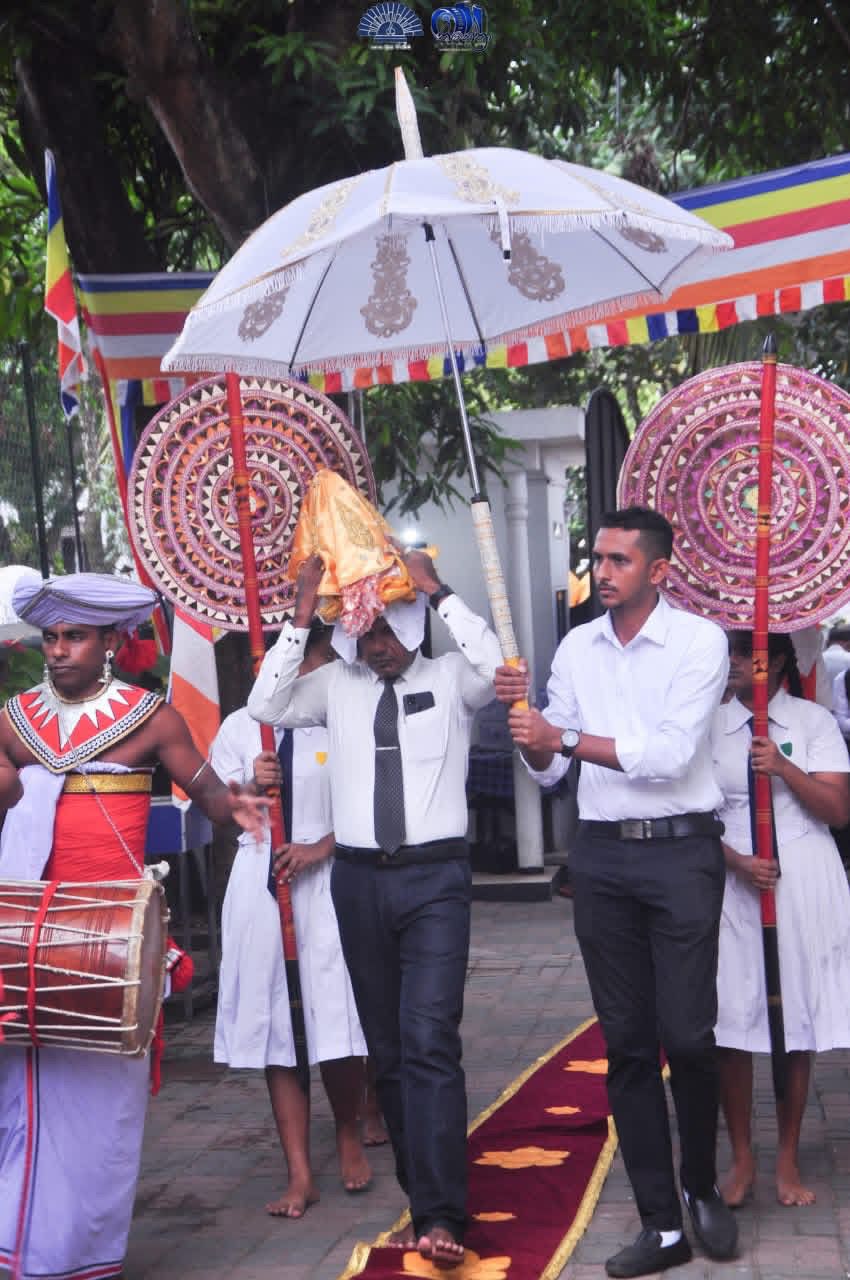
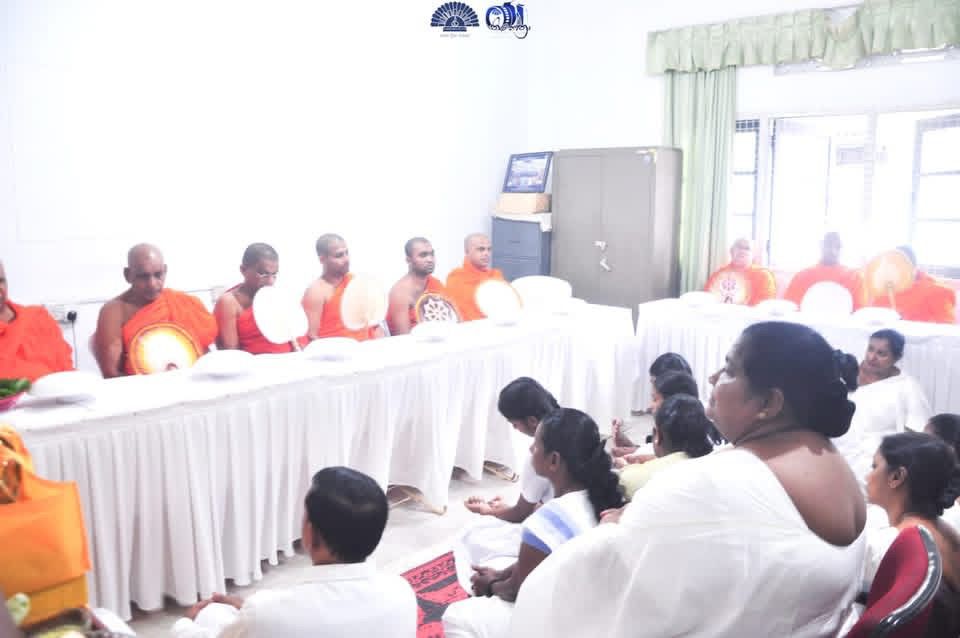
An annual Pirith ceremony and almsgiving are conducted at the museum in solemn remembrance of Anagarika Dharmapala. The religious observance brings together students, teachers, members of the Buddhist Society, the Museum Committee and members of the school community to commemorate his life, service and dedication to the Buddha Sasana. The programme provides an opportunity for the school community to engage in religious observances, offer merits and reflect upon the values of compassion, discipline, devotion and service represented by Dharmapala's life and mission.

Annual Pirith & Almsgiving 1
Annual Pirith & Almsgiving 2

A Dhamma sermon is held in remembrance of Anagarika Dharmapala on 29 April, commemorating the day of his passing. The occasion provides an opportunity for students, teachers and the wider school community to remember his lifelong dedication to Buddhism, education, national consciousness and social service. Through the Dhamma sermon and remembrance activities, the school honours his contribution and encourages younger generations to understand his values, appreciate his service and continue his legacy through meaningful actions.

April 29 — Commemoration of His Passing

Annual social service initiatives are conducted in remembrance of Anagarika Dharmapala's strong commitment to the wellbeing of society. These activities encourage students and members of the school community to understand the importance of compassion, generosity and service to others. Through practical community-oriented programmes, the school seeks to continue the spirit of social responsibility and selfless service that formed an important part of Dharmapala's vision and work.

Short story, prose, poetry and art competitions are organized at grade level to encourage students to explore the life, teachings, values and heritage connected with Anagarika Dharmapala. These creative activities provide students with an opportunity to express their understanding through writing and artistic work while developing their talents and appreciation of history. Certificates are awarded to successful participants and winners, recognizing their creativity, effort and contribution to the commemoration programme.

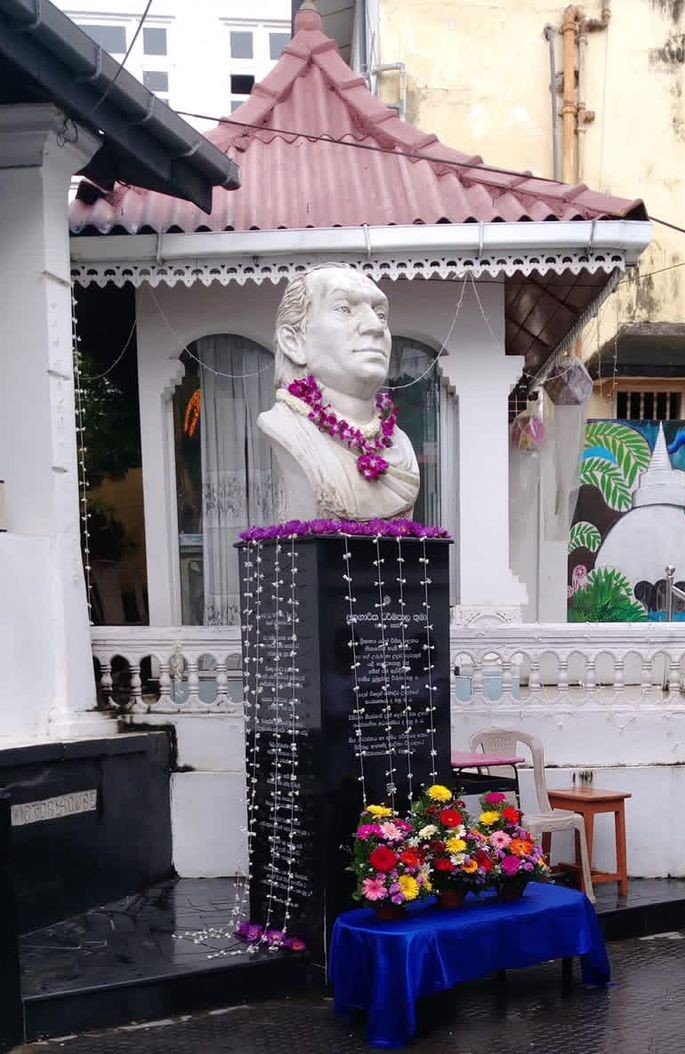
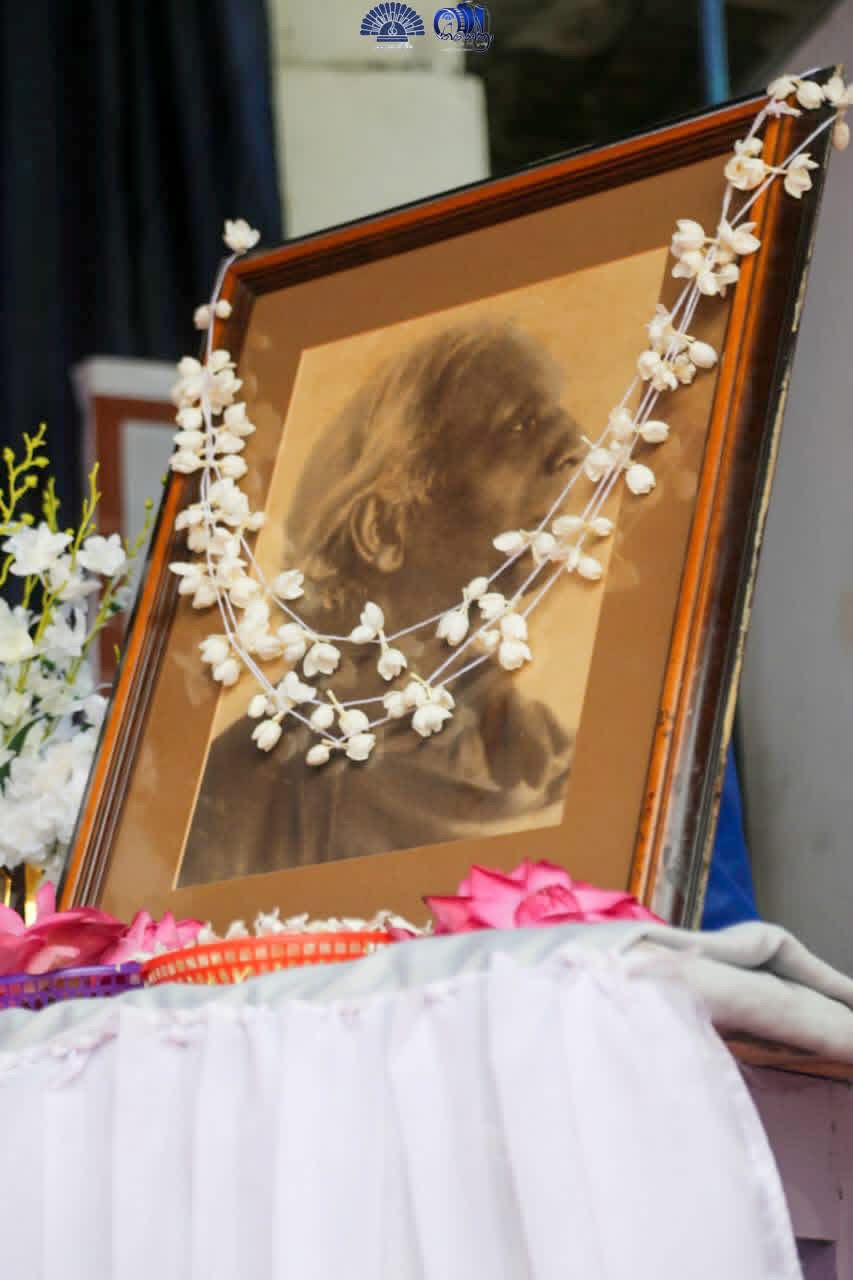
The school commemorates Anagarika Dharmapala Day through a series of meaningful activities that honour his remarkable contribution to Buddhism, education, national consciousness and social service. The annual programme includes floral tributes, the Memorial Lecture, singing of the Dharmapala Memorial Song and the awarding of certificates to competition winners. The commemoration brings together students, teachers and the school community to remember his life and inspire younger generations to carry forward the values of discipline, education, service and devotion that characterized his lifelong mission.

September 17 — Anagarika Dharmapala Day 1
September 17 — Anagarika Dharmapala Day 2
September 17 — Anagarika Dharmapala Day 3
September 17 — Anagarika Dharmapala Day 4
Commemoration Activities Include:
  • Floral Tribute
  • Memorial Lecture
  • Dharmapala Memorial Song
  • Competition Awards

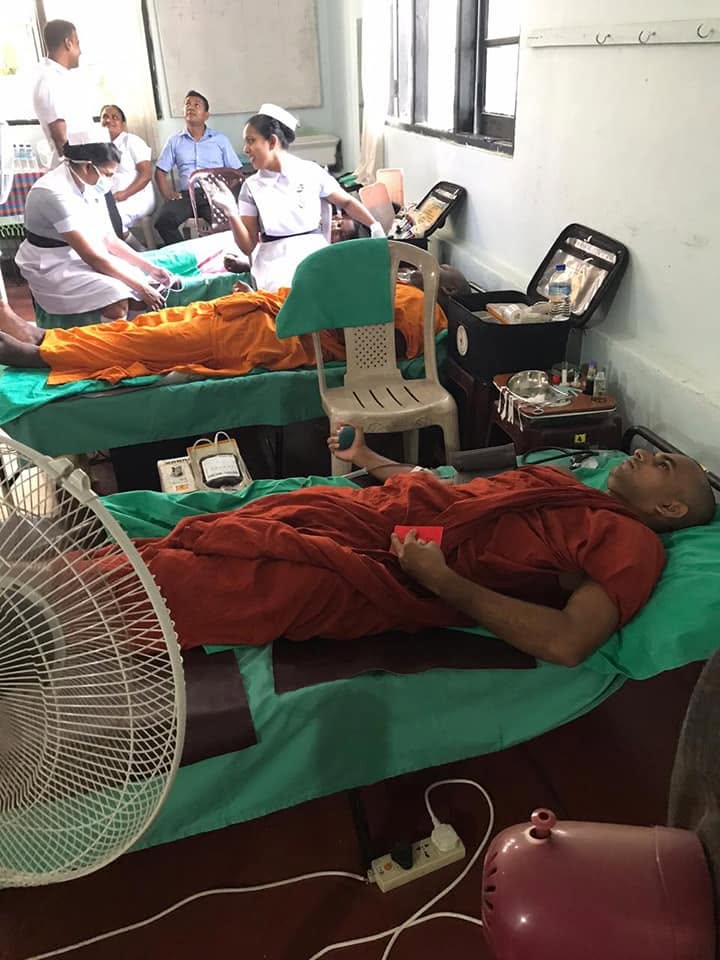
Since 2015, the Old Girls' Association of Ananda Balika Vidyalaya has organized an annual blood donation programme in connection with the commemoration of Anagarika Dharmapala. The campaign reflects the values of compassion, generosity and social responsibility associated with his mission and provides an opportunity for past pupils, members of the school community and well-wishers to contribute to the wellbeing of others. Through voluntary blood donation, participants continue the tradition of meaningful social service while making a direct contribution to those in need.

Blood Donation Campaign 1
Organized by Museum Committee & Buddhist SocietyAnanda Balika Vidyalaya
A LEGACY PROTECTED

A Legacy We Continue to Protect

From the restoration of a historic residence to the collection of photographs, documents, objects and memories, the creation of the Anagarika Dharmapala Museum has been a journey of dedication.

What began as an effort to protect Victor House became a larger mission — to preserve the memory of Anagarika Dharmapala and provide future generations with an opportunity to learn from his life and service.

The HouseRemains
The MemoriesRemain
The LegacyContinues