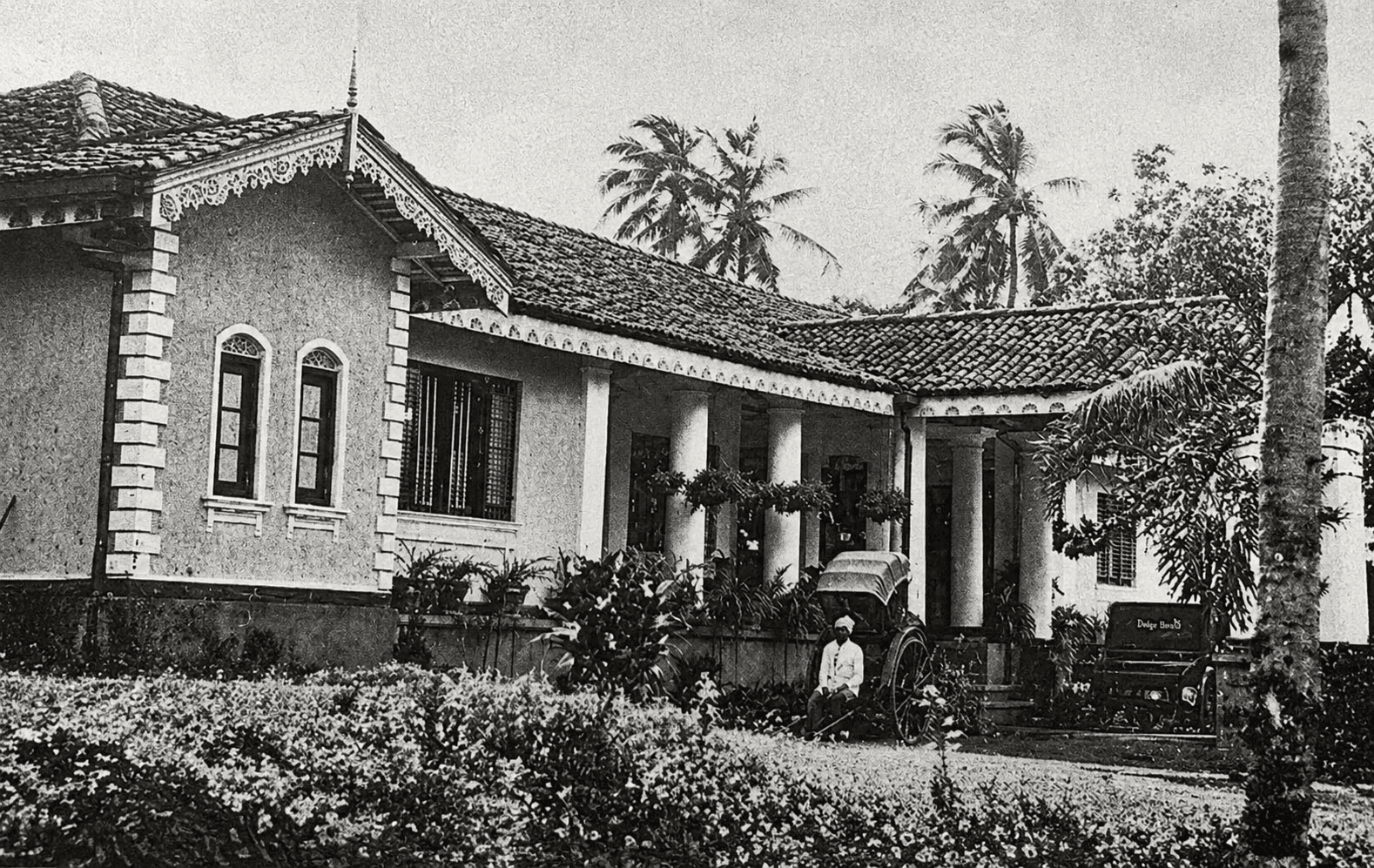
 THENResidence & Origins
Historic Victor House
A historic residence in Colombo associated with Anagarika Dharmapala's life and work, and with the journey that took him towards Bodh Gaya in 1891.
01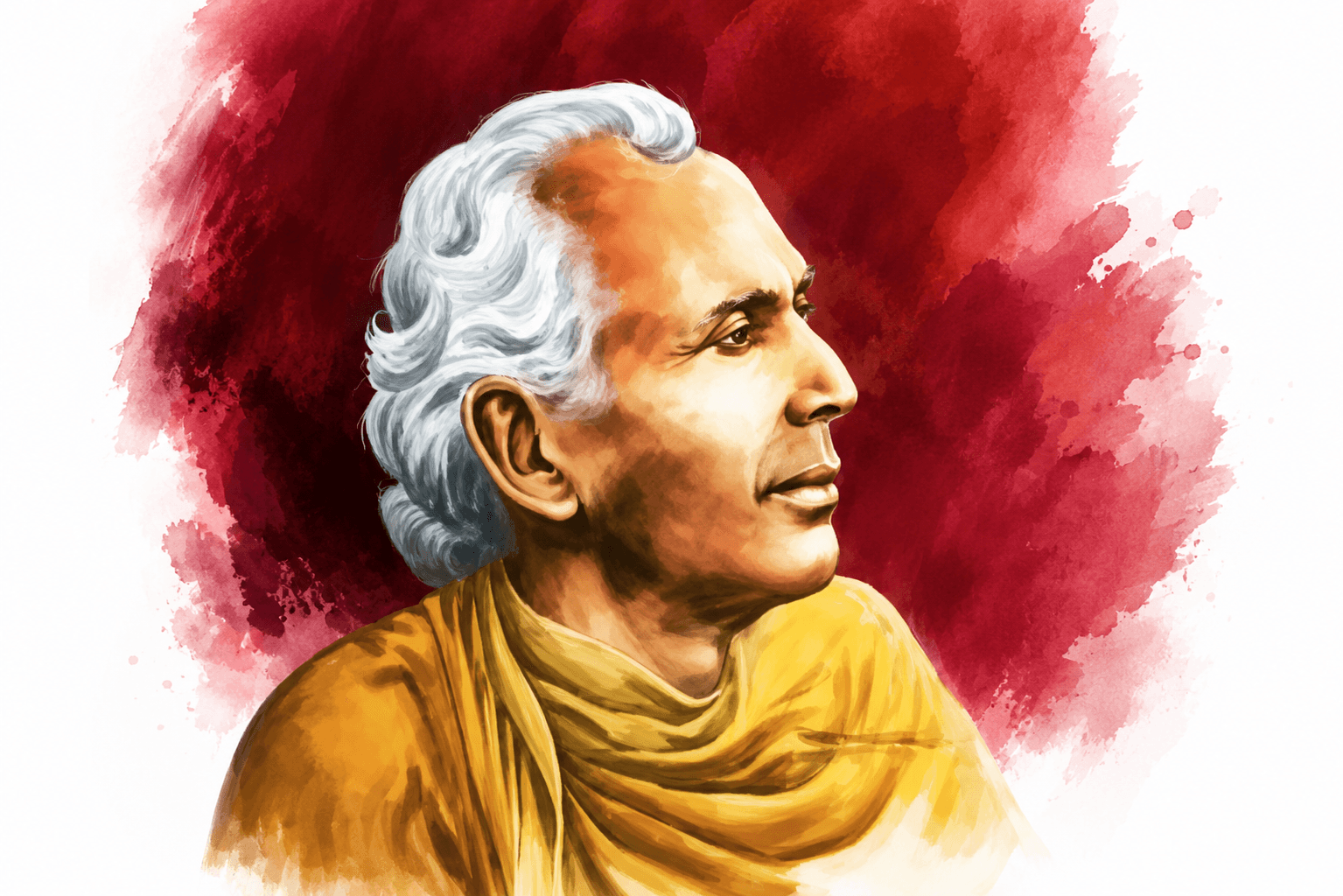
Anagarika Dharmapala was a visionary leader, educator, and reformer who dedicated his life to spiritual awakening, cultural preservation, and service to society.
The Early Life of Anagarika Dharmapala
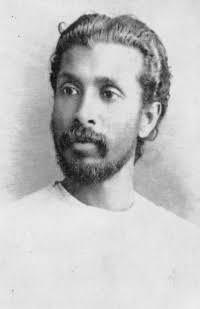
Anagarika Dharmapala was born Don David Hewavitharana on 17 September 1864 in Colombo. He grew up in a prominent Buddhist family during a period of significant social, religious, cultural, and political change in Sri Lanka under colonial rule.
His family environment and education gave him a strong foundation in Buddhist teachings and Sri Lankan cultural traditions, a foundation that would quietly shape everything that followed.
His father, H. Don Carolis Hewavitharana, was a respected businessman who had moved from Hittatiya in Matara to Colombo. His mother, Mallika Hewavitharana, was the daughter of Andiris Perera Dharmagunawardhana.
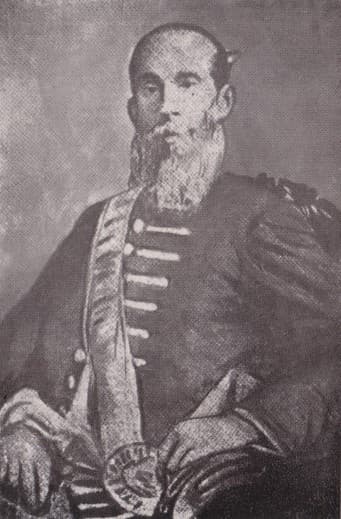
Prominent Buddhist businessman from Hittatiya, Matara.
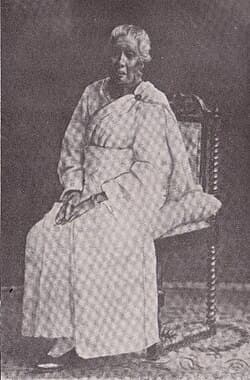
Daughter of Andiris Perera Dharmagunawardhana.
David studied at the Baptist Sinhala School, St. Benedict's College, Kotte Christian College, and St. Thomas' College between 1872 and 1883. After completing his schooling, he entered government service as a clerk in the Education Department.
As a young man, he became increasingly committed to the revival of Buddhism and the preservation of the cultural identity of his people.
What began as a personal spiritual awakening would eventually become a lifelong mission extending far beyond Sri Lanka.
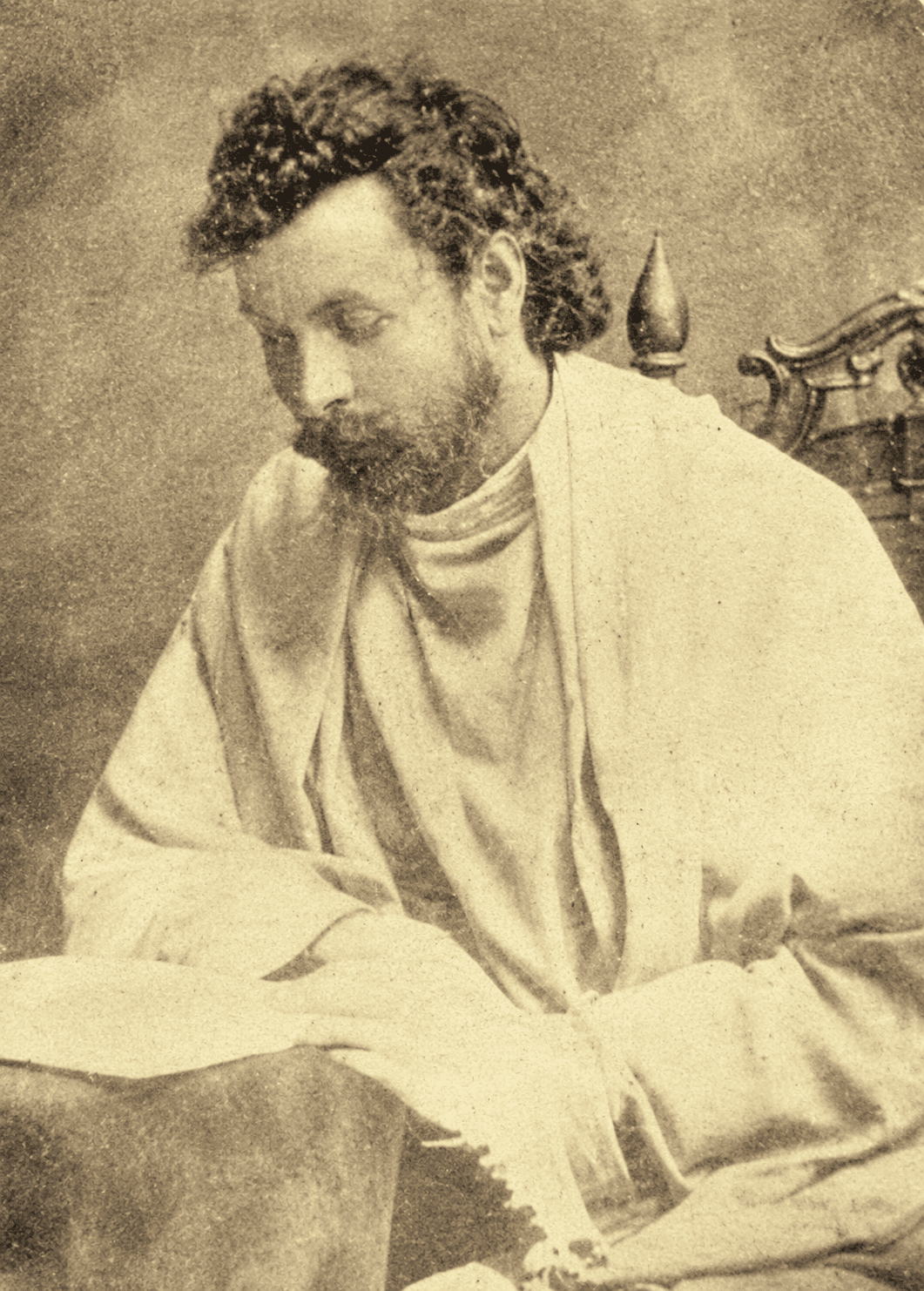
At sixteen, David encountered Colonel Henry Steel Olcott and Helena Petrovna Blavatsky. In 1886, he became increasingly involved in their work, serving as an interpreter and supporting Buddhist education.
On 12 January 1886, he wrote to his father seeking permission to dedicate his life to Buddhism as an anagarika. With the support of Ven. Hikkaduwe Sri Sumangala Thero and his family, this decision became a defining foundation of his life.
At a Glance
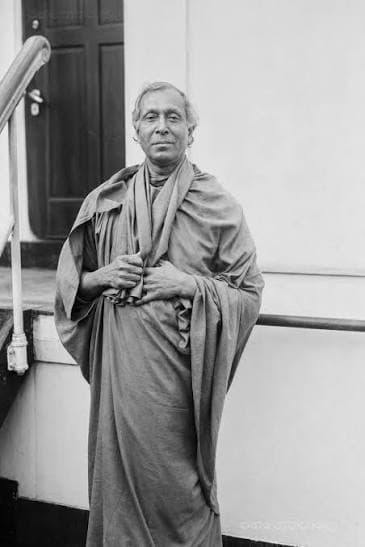
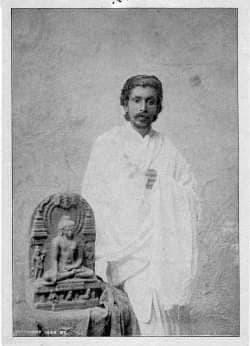
Why Anagarika Dharmapala?
Don David Hewavitharana became known as Anagarika Dharmapala and chose a life devoted to Buddhist, educational, cultural, and social work.
An anagarika follows a life of religious dedication without entering the fully ordained monastic order. This path gave Dharmapala the freedom to travel, teach, organize, write, advocate, and build institutions while dedicating his life to Buddhist revival.
His decision represented more than a change of name. It marked a deliberate choice to place personal comfort and conventional ambitions behind a larger purpose.
From this point onward, his life became increasingly defined by movement, organization, education, advocacy, and service.
A distinctive life of religious dedication that allowed Dharmapala to combine spiritual commitment with education, international travel, writing, organization, and institution building.
Hear the voice of a man who dedicated his life to service.
Early 1920s
Early 1920s
Anagarika Dharmapala dedicated his life to the spiritual, educational, and cultural awakening of the people of Sri Lanka.
He believed that the strength of a nation depended not only on knowledge, but also on education, discipline, moral values, cultural identity, and service to society.
His contribution therefore extended beyond speeches and public campaigns. He established and supported organizations, educational initiatives, publications, institutions, and movements that continued to influence generations.
One important place within this wider story is Victor House in Colombo, a residence associated with Dharmapala and a significant part of the heritage story connected with Ananda Balika Vidyalaya.
“His legacy was not created in a single moment. It was built through a lifetime of service.”
From a Home to an Educational Legacy
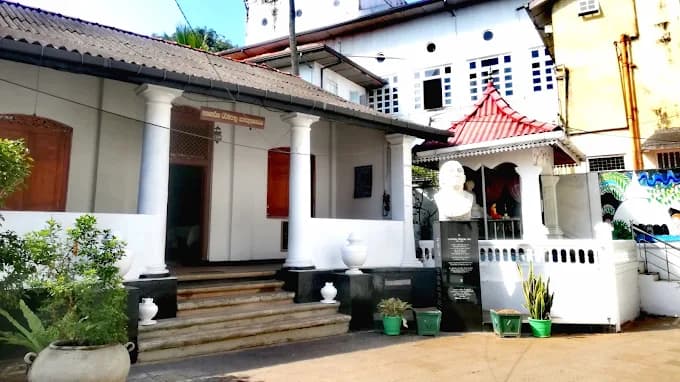
Victor House holds a special place in the historical story preserved by the Anagarika Dharmapala Museum.
Historical records associated with the Anagarika Dharmapala Trust identify Victor House in Colombo as a residence where Dharmapala lived. It is also associated with his historic journey towards Bodh Gaya in 1891.
The significance of Victor House extends beyond its association with one individual. Its later connection with Buddhist girls' education created a remarkable link between Dharmapala's personal life and the education of future generations.
The story of Victor House reflects a wider principle visible in Dharmapala's life: personal commitment and resources could be directed toward the benefit of society.
 Historic Centerpiece
“A place connected with one man's life became part of the educational journey of generations.”
THENResidence & OriginsA historic residence in Colombo associated with Anagarika Dharmapala's life and work, and with the journey that took him towards Bodh Gaya in 1891.
01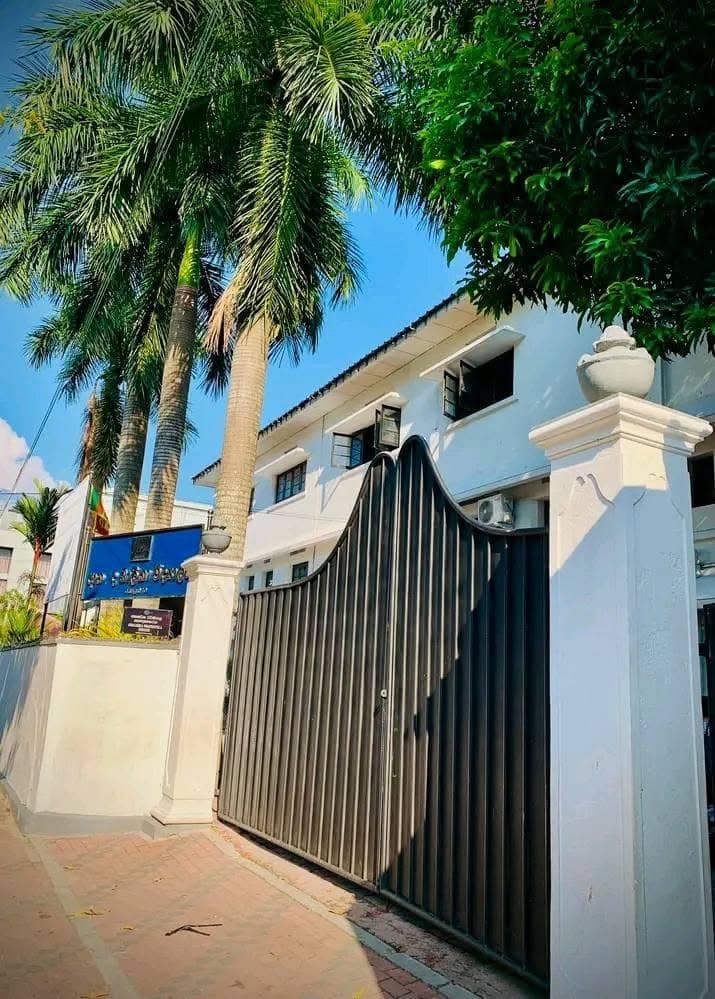 EDUCATIONEstablished 1925
Victor House became connected with the educational history of Ananda Balika Vidyalaya, creating a lasting relationship between the site and Buddhist girls' education in Colombo.
02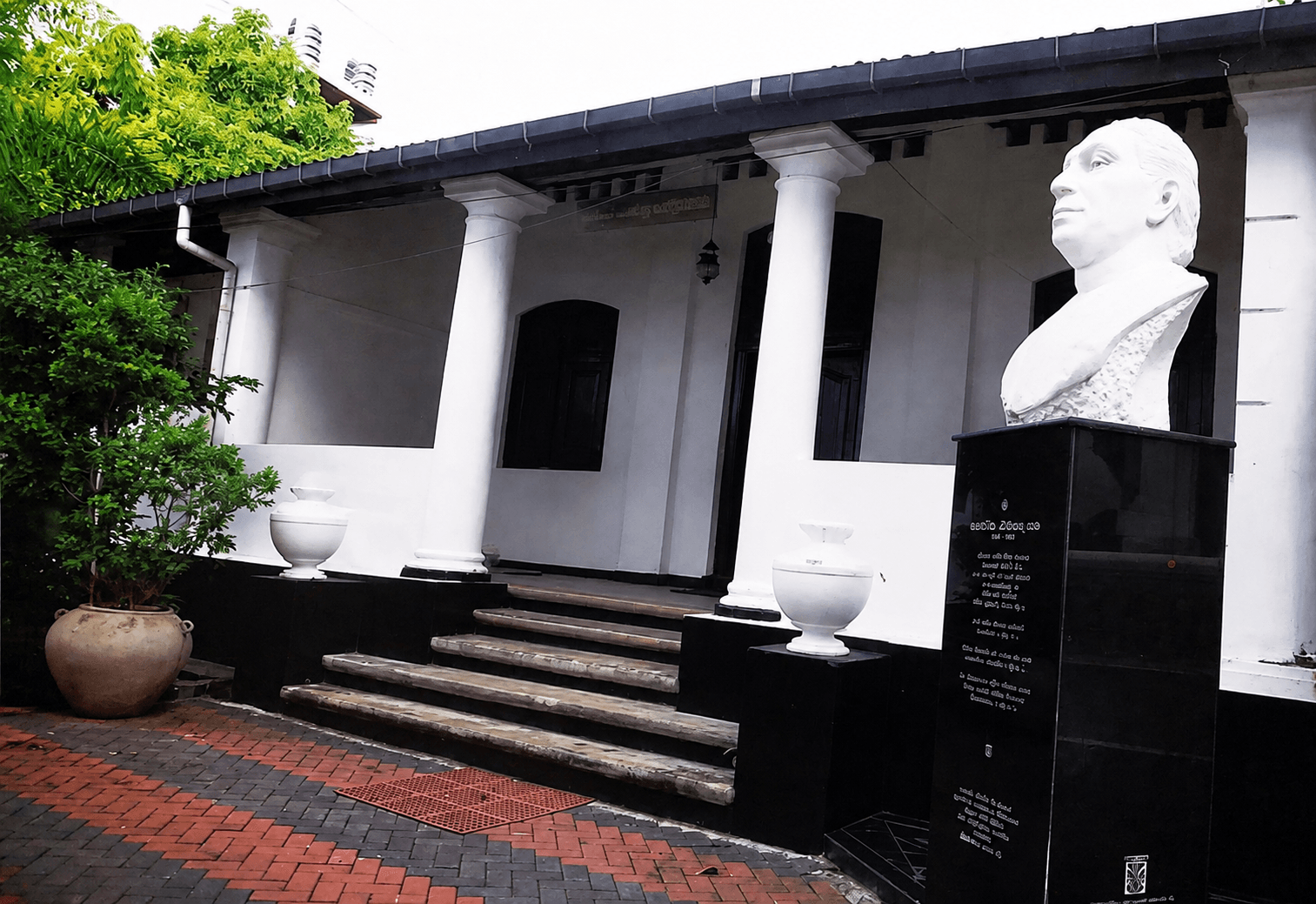 TODAYLiving Heritage
Today, the museum preserves and interprets the heritage connected with Dharmapala, Victor House, and the educational story of Ananda Balika Vidyalaya for students and visitors.
03Shobhana Maligaya, the preserved vehicle associated with Anagarika Dharmapala, offers visitors a tangible connection to the journeys, service, and heritage surrounding his life and work.
This historic vehicle stands as an important physical reminder of an era in which travel was closely connected with religious service, social engagement, and the preservation of Buddhist heritage.
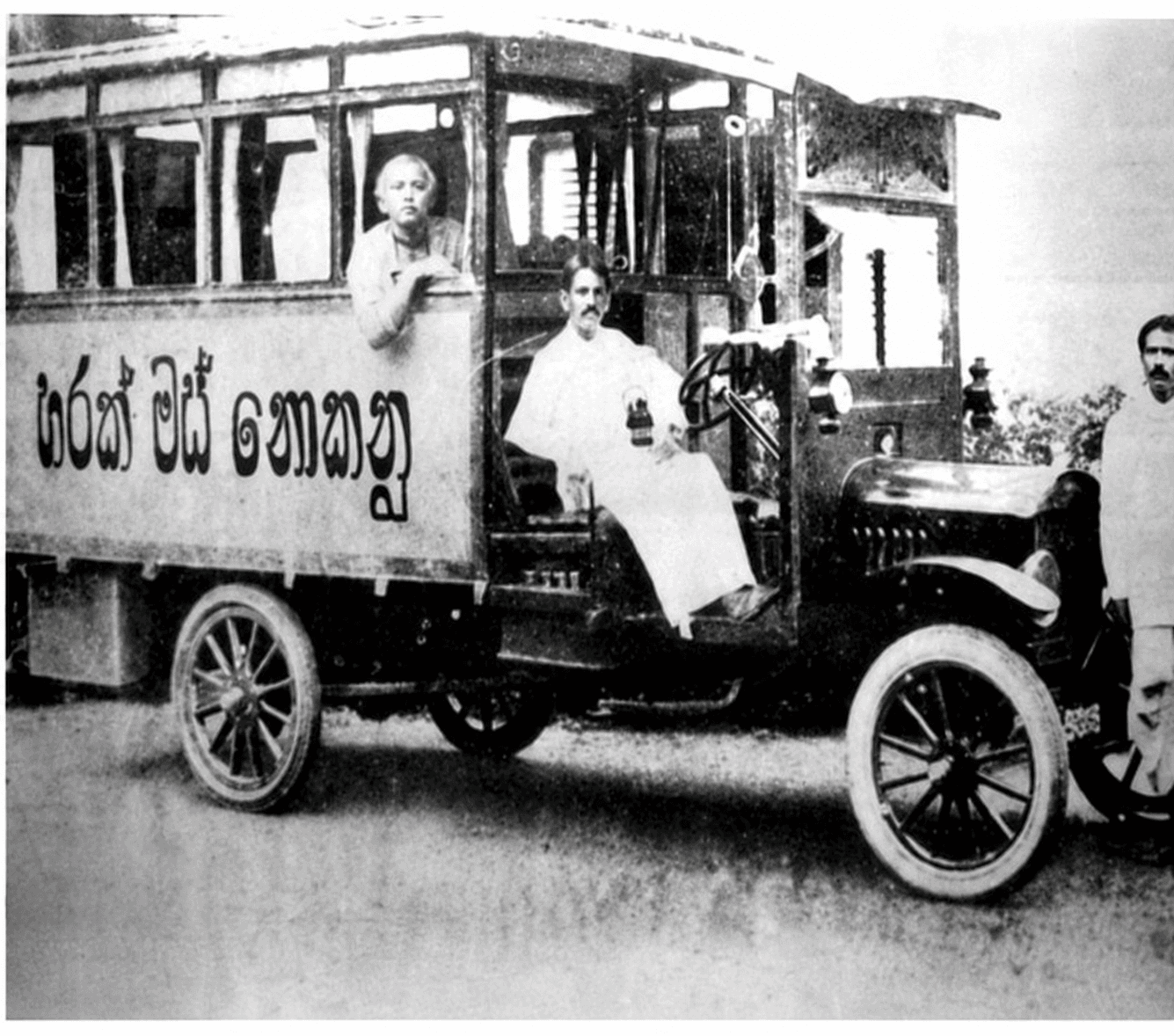
A physical object connected with the heritage story preserved at the site.
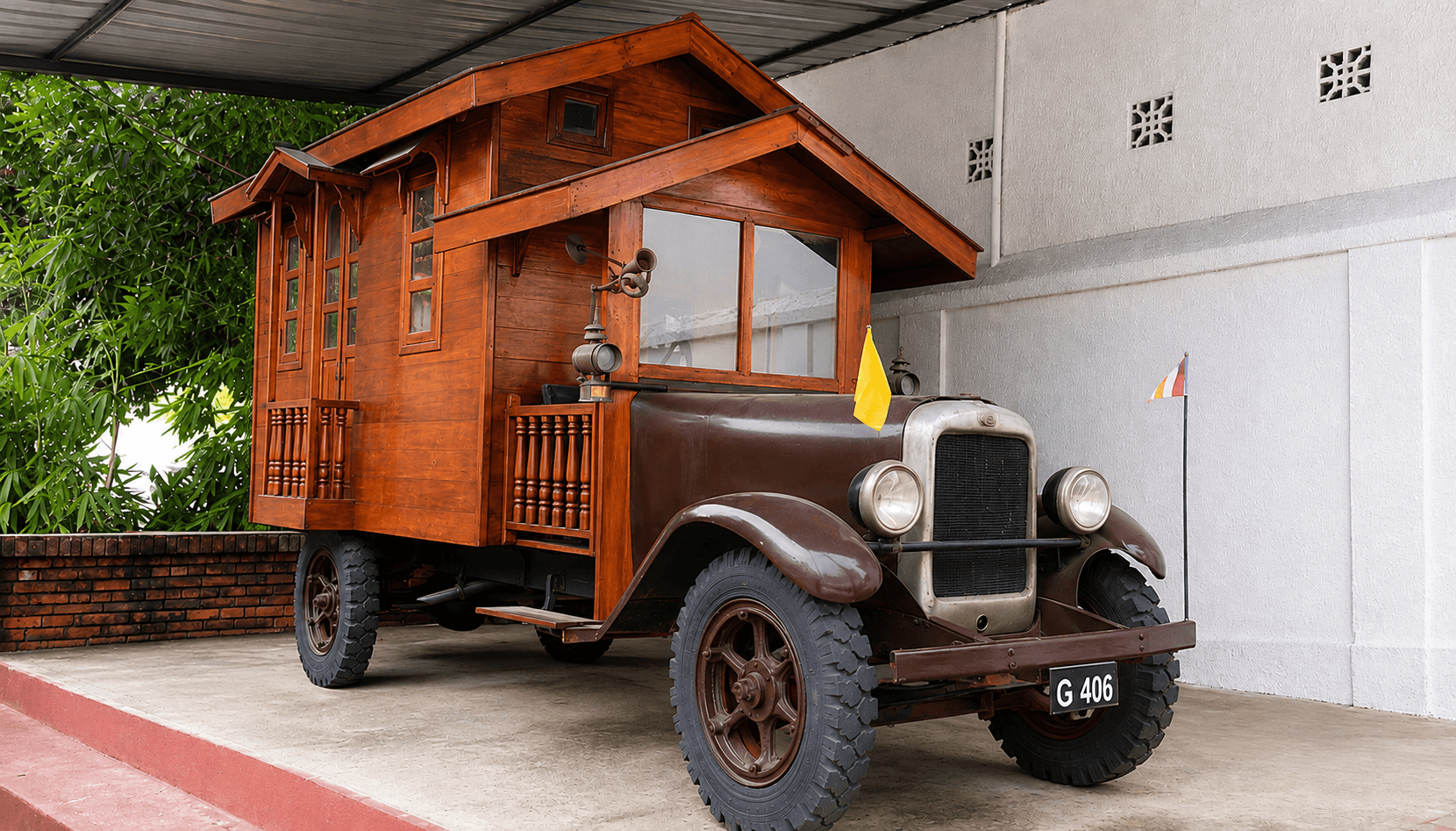
Preserved beside the historic Victor House and forming part of the physical heritage associated with the site.
The history of Ananda Balika Vidyalaya is closely connected with Victor House, the historic residence associated with Anagarika Dharmapala in Maradana.
Dharmapala supported the idea of establishing a girls' school at his residence and shared this vision with P. de S. Kularatne, then Principal of Ananda College.
The school, which had begun elsewhere, was later brought to Victor House and re-established there. This created the historic connection between the site and the education of generations of Sri Lankan girls.
Dharmapala's educational vision went beyond academic achievement. It emphasized knowledge, character, discipline, responsibility, cultural awareness, and service.
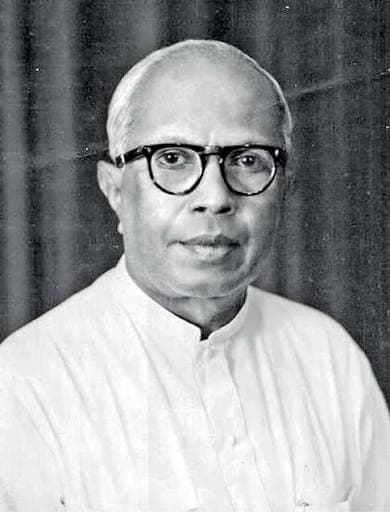
As Principal of Ananda College, P. De S. Kularatne played an important role in Buddhist education and in carrying forward the vision for girls' education connected with Dharmapala.
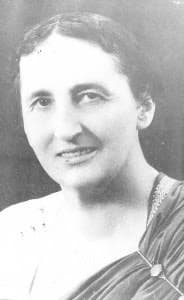
Hilda Kularatne, wife of P. De S. Kularatne, became the founding principal of Ananda Balika Vidyalaya and guided the school during its formative years.
Bringing Buddhist Revival & Cultural Heritage to the World Stage
In January 1891, Anagarika Dharmapala undertook his monumental journey from Victor House, Colombo to Bodh Gaya, India—the sacred place where the Buddha attained Enlightenment.
Witnessing the neglected state of the ancient shrine inspired a lifelong crusade to restore and safeguard Buddhist sacred heritage worldwide.
Colombo · Departure 22 Jan 1891
India · Sacred Buddhist Site
Transformed personal pilgrimage into a worldwide organization for heritage preservation.
The Maha Bodhi Society became the principal platform for reviving ancient Buddhist pilgrimage sites across India and Sri Lanka, publishing scholarly texts, and creating international networks of Buddhist scholars and reformers.
Through this organization, Anagarika Dharmapala unified global support for Buddhist heritage, establishing branches in India, the UK, Japan, and the USA.
Representing Theravada Buddhism to the Western World
At age 29, Anagarika Dharmapala attended the historic 1893 Parliament of Religions in Chicago. His eloquent addresses, deep scholarship, and magnetic presence captivated international audiences, making him one of the most prominent Asian delegates alongside Swami Vivekananda.
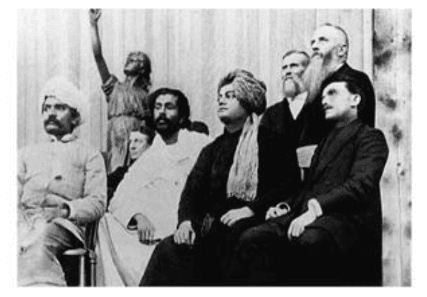 Chicago 1893
“If you want to know what Buddhism is, study the life of Buddha and His teachings.”
The fundamental principles that guided Dharmapala's lifelong mission across Sri Lanka, India, and the world.
Protect Buddhist heritage and sacred historical sites in Sri Lanka and India.
Strengthen schools, moral development, and Buddhist scholarship.
Preserve cultural traditions, literature, and the Sinhala language.
Promote discipline, civic responsibility, and dedicated community service.
Encourage self-reliance, vocational skills, and economic development.
Connect Sri Lankan Buddhist identity with the international community.
Buddhist revival, education, cultural identity, and social service
Bodh Gaya, Sarnath, and the preservation of Buddhist sacred heritage
World's Parliament of Religions — Chicago, 1893
The Maha Bodhi movement and international Buddhist cooperation
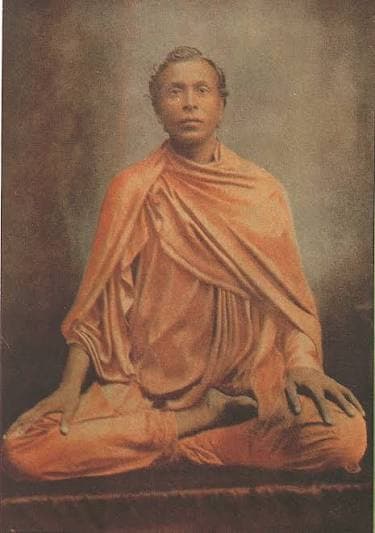
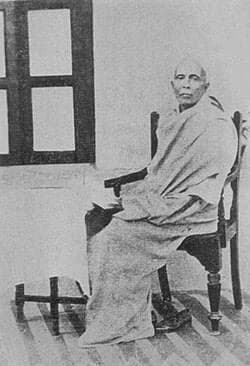
After decades of dedication as an anagarika, Dharmapala entered the Buddhist monastic order late in life. Following advice given to him in his youth by Ven. Sri Devamitta Thero of Hayyantuduwa, he entered monastic life on 13 July 1931 under the guidance of Ven. Boruggamuwa Revata Maha Thero, receiving the monastic name Ven. Sri Devamitta Dharmapala.
The name Sri Devamitta was incorporated into his monastic name as an expression of gratitude and respect towards Ven. Sri Devamitta Thero of Hayyantuduwa, whose advice had influenced him from his younger days.
In honour of Ven. Kodagoda Upasena Nayaka Thero, Dharmapala also obtained and used an old robe that had previously belonged to the venerable monk. This act reflected the deep respect and gratitude he held towards those who had guided and supported his spiritual journey.
His final years were spent in the sacred Buddhist landscape of India, at Sarnath, a site traditionally associated with the Buddha's first sermon.
This ordination was the spiritual fulfillment of a life spent in tireless devotion to the Dhamma and social service.
Following advice given by Ven. Sri Devamitta Thero of Hayyantuduwa, he entered monastic life under Ven. Boruggamuwa Revata Maha Thero, receiving the name Ven. Sri Devamitta Dharmapala.
Ven. Sri Devamitta Dharmapala passed away in Sarnath, India.
“His life ended, but the institutions, movements, educational ideals, and heritage work he helped inspire continued.”

Anagarika Dharmapala devoted his life to a vision that reached far beyond his own generation.
His work for Buddhism, education, cultural identity, heritage, and service continues to invite reflection today.
At Ananda Balika Vidyalaya, the story remains connected to a place where history, education, and heritage meet.